
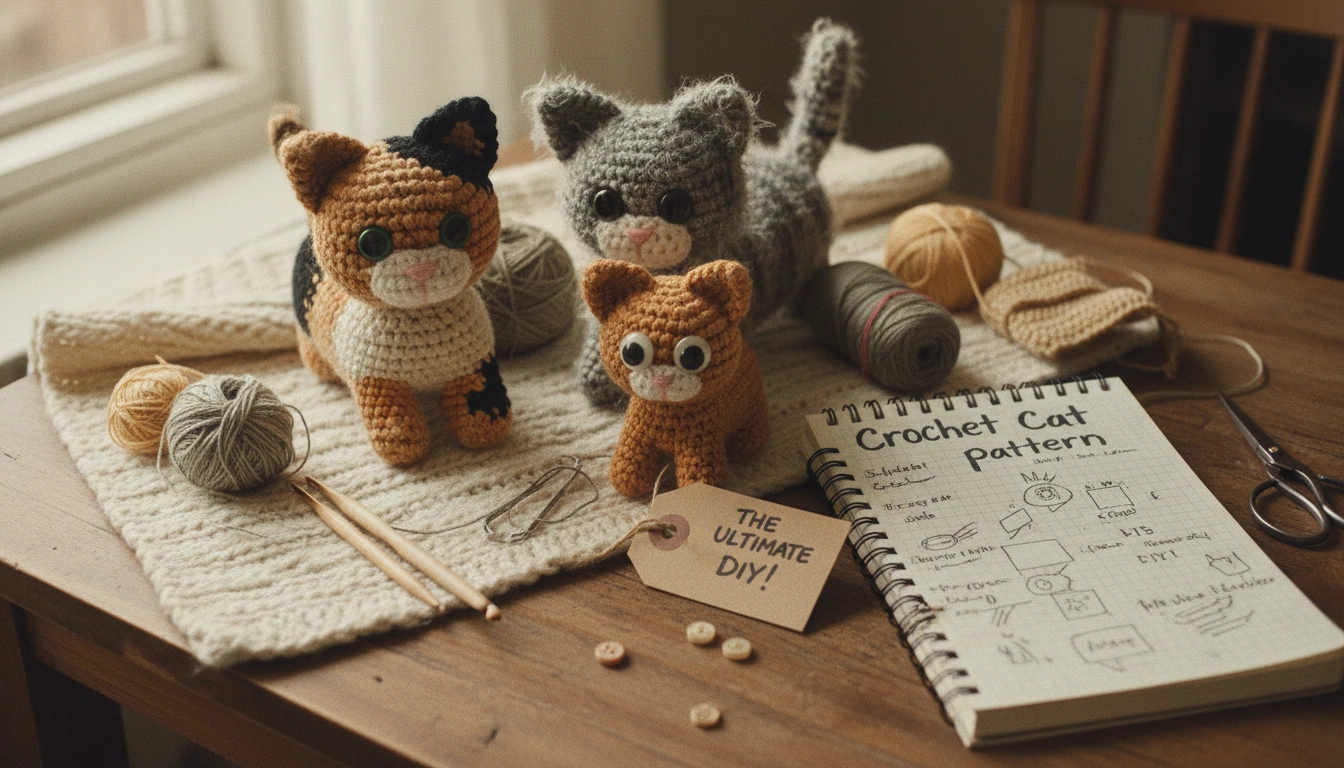
The architecture of a feline spine is a question of math, not just yarn. When I pick up a hook, I'm not making a toy—I am engineering a three-dimensional form that must hold its own weight against the pull of gravity. Most people think tension is just about how tight you hold the thread, but it's actually the pulse of the piece. If your tension isn't consistent, the Crochet Cat Pattern you're working on will fail before you even get to the ears. It will look like a blob. We don't do blobs here. We do art. I spent three hours yesterday just recalibrating my gauge because the humidity in the room changed the way the cotton slid over my aluminum hook. It's that granular. It has to be.
Quick Access Guide
This article provides the full 'Crochet Cat Pattern' along with detailed assembly instructions and pro tips for a professional finish.
My associate, Riley Shelton, who operates out of a small studio on Stanley Road, Salford, recently sent me some notes on the transition between the neck and the shoulders. Riley's right; that's where the soul of the silhouette lives. If that curve isn't exactly right, the cat doesn't look like it's sitting; it looks like it's melting. To get it right, you have to treat every single stitch as a load-bearing structure. I often tell my students to use AI image generators—not to design the pattern, but to study how light hits the fur of a real cat. Use that data. Let it inform where you place your increases. It's about using technology to sharpen your own eye.
Understanding the Basics of the Crochet Cat Pattern
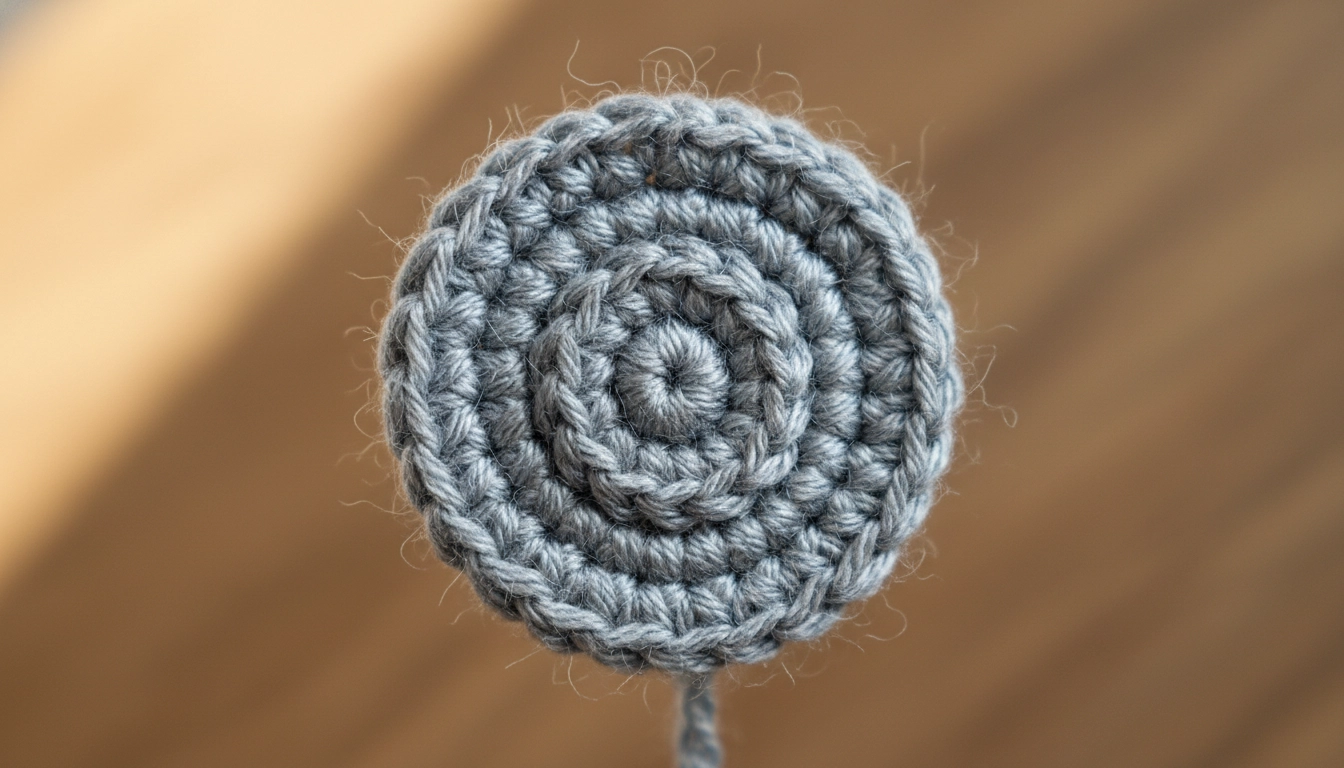
Working in a continuous spiral ensures your cat has a smooth, skin-like texture without unsightly seams.
So, what are we actually doing when we talk about a Crochet Cat Pattern? It's amigurumi, obviously. But it's amigurumi with an ego. We work in spirals. No joins. No seams. If I see a visible seam on a finished piece, I lose sleep. The spiral is the most efficient geometric shape in nature, and it's what keeps the fabric of your cat looking like a continuous skin rather than a series of stacked circles.
To help you visualize the relationship between fiber and tool, I have prepared this technical comparison of how hook size alters the structural integrity of the piece.
| Yarn Weight | Recommended Hook | Expert Hook Choice | Resulting Texture |
|---|---|---|---|
| DK Weight | 4.0mm | 2.5mm | Dense and Rigid |
| Fingering | 2.25mm | 1.5mm | Micro-Sculpture |
| Worsted | 5.0mm | 3.5mm | Sturdy Toy |
My Take
Choosing a hook at least two sizes smaller than the label suggests is the secret to a professional finish that hides all internal stuffing.
Hook size is everything. The label on the yarn is lying to you. If it says 4.0mm, use a 2.5mm. Or a 3.0mm if you have hands like a vice. You need a fabric so dense that it feels like felt. When you stuff it later, the polyfill shouldn't be able to breathe. If I can see a hint of white fluff through your stitches, you've failed the gauge test. Start over. It's harsh, but it's how you get a piece into a gallery instead of a bargain bin.
Why You Will Love This Free Crochet Cat Pattern
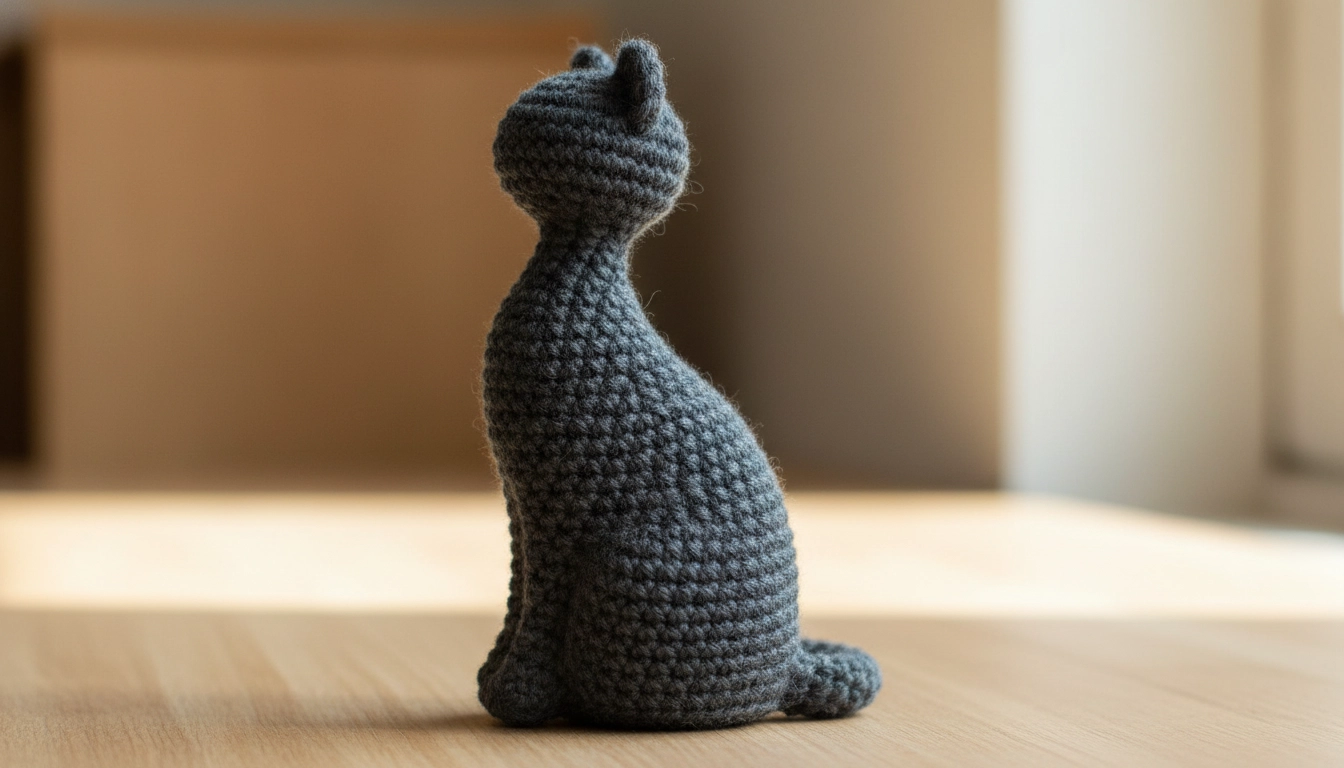
The beauty of this design lies in its simplicity—a single, fluid movement from head to tail.
This design is sleek. It's minimalist. I've stripped away all the unnecessary fluff—literally. You won't be sewing on twenty different limbs. The body and the head are a single, fluid movement. It's efficient. It's professional. I hate patterns that feel like a chore, where you spend more time with a tapestry needle than a crochet hook. This flows.
The best part? It's a blank canvas for what I call textural poetry. You can use a flat, matte cotton for a sculpture that looks like carved stone, or you can go for a brushed mohair if you want something that feels like a cloud. The pattern doesn't change, but the vibe does. It's about the personality of the fiber. I once made this using a metallic-infused thread, and it looked like a piece of high-end jewelry. Experiment. Don't be boring.
Essential Materials and Tools Needed for Your Project

Using high-quality mercerized cotton and an ergonomic hook is the first step toward a gallery-quality finish.
Get the good stuff. Please. Don't go to a big-box store and buy the cheapest acrylic you can find. It pills. It's fuzzy in all the wrong ways. For a real professional finish, you want mercerized cotton. It has this slight sheen—a premium finish—that catches the light on the curves of the cat's back.
Let us look at the inventory required for a high-caliber build before you begin your procurement.
| Item | Specification | Purpose |
|---|---|---|
| Yarn | Mercerized Cotton | Professional Sheen |
| Hook | Ergonomic Aluminum | Tension Consistency |
| Eyes | 8mm Safety Eyes | Visual Focus |
| Stuffing | High-Loft Fiberfill | Shape Retention |
My Take
Never compromise on the yarn quality; mercerized cotton is the only way to achieve that gallery-ready look that resists pilling.
Number one on your list: 50 grams of DK weight yarn. Mercerized. 10 grams of a contrasting color for the paws. And the hook—get an ergonomic one. If your hand cramps, your tension wavers. 8mm safety eyes are standard, but if you're feeling artistic, embroider them. It adds a layer of human imperfection that actually makes the piece feel more expensive. Also, get a bag of high-loft fiberfill. Not the cheap stuff that clumps.
The Importance of Stitch Markers
In amigurumi, losing your place in a continuous spiral is a common setback. Always place a marker in the first stitch of every round to maintain 'mathematical accuracy' throughout the project.
Common Abbreviations and Stitches Used
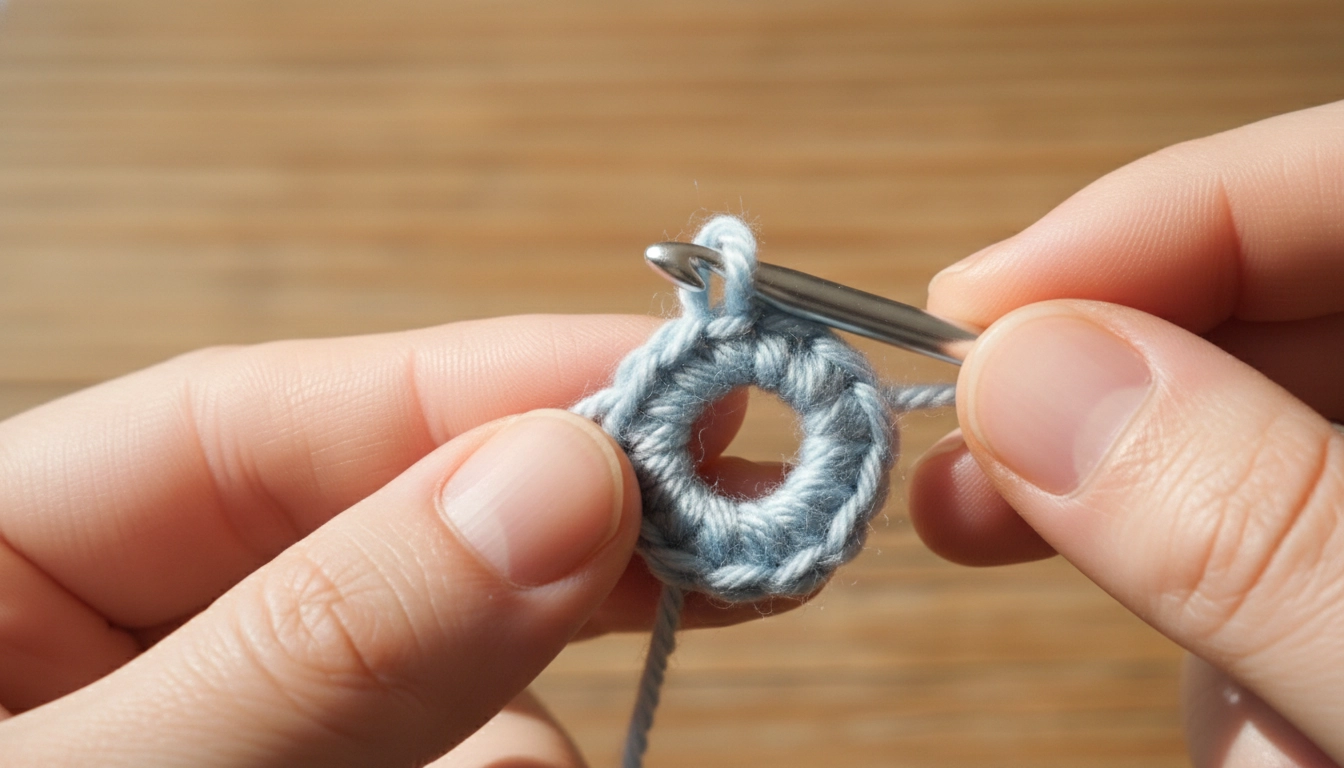
The magic ring is the essential foundation for any professional amigurumi project.
US terms. Always. Keep it simple. If you can't do a magic ring, stop everything and go learn. It's the foundation of everything we do.
For those new to my blueprints, here is a quick reference for our operational terminology to ensure no misinterpretations occur.
| Abbreviation | Full Term | Function |
|---|---|---|
| sc | Single Crochet | Building Volume |
| inc | Increase | Expanding Form |
| dec | Decrease | Refining Shape |
| mr | Magic Ring | Structural Origin |
My Take
Mastering the magic ring is non-negotiable if you want a professional start without a structural hole in the center of your work.
- sc: Single crochet (the workhorse)
- inc: Increase (the sculptor)
- dec: Decrease (the invisible shaper)
- mr: Magic ring (the start)
- st: Stitch (the atom)
- sl st: Slip stitch (the finisher)
The Invisible Decrease
To achieve a 'seamless texture', insert your hook into the front loops only of the next two stitches before completing your decrease. This prevents unsightly bumps.
Technical Instructions for the Crochet Cat Pattern
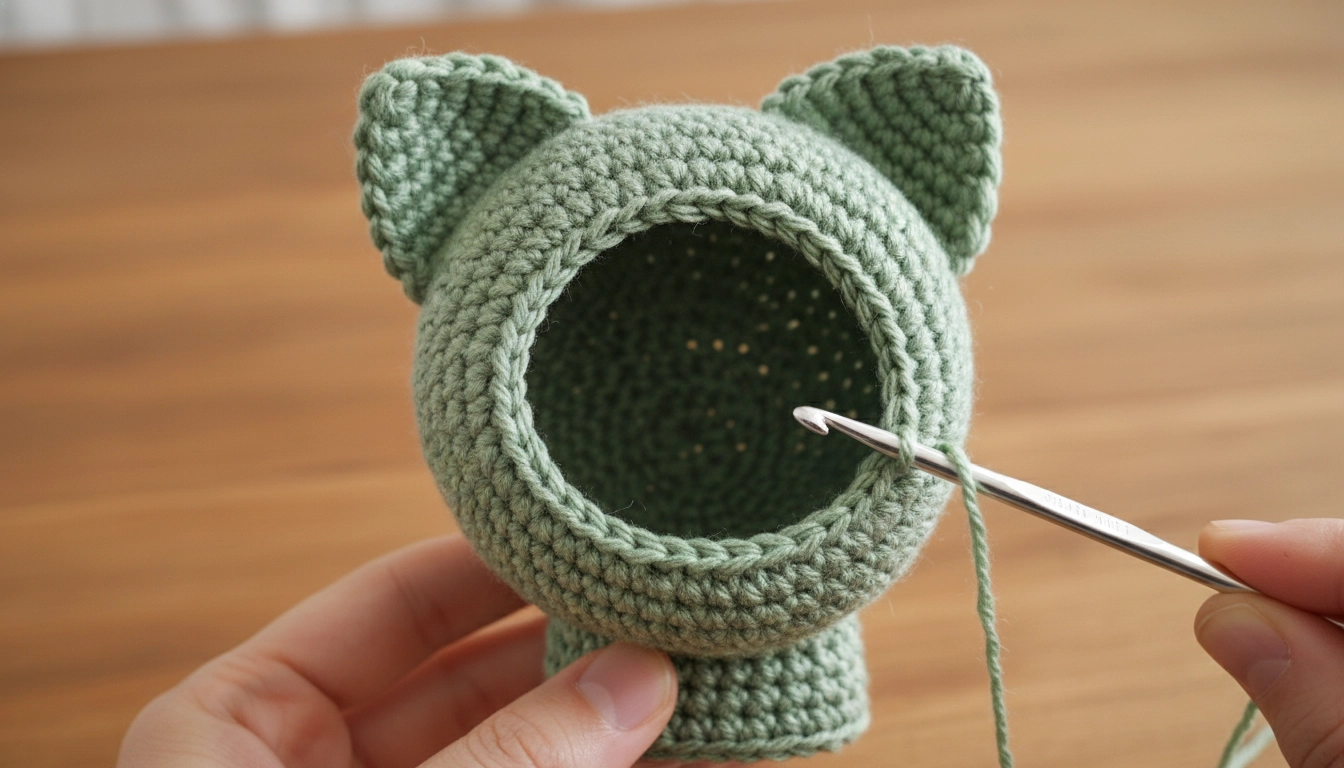
Follow the blueprints closely, paying attention to the density of your stitches as the form grows.
Here are the blueprints. Follow them, but feel the yarn as you go. If it feels too tight, breathe. If it feels loose, pull back.
Bringing Your Feline Friend to Life: Assembly Guide
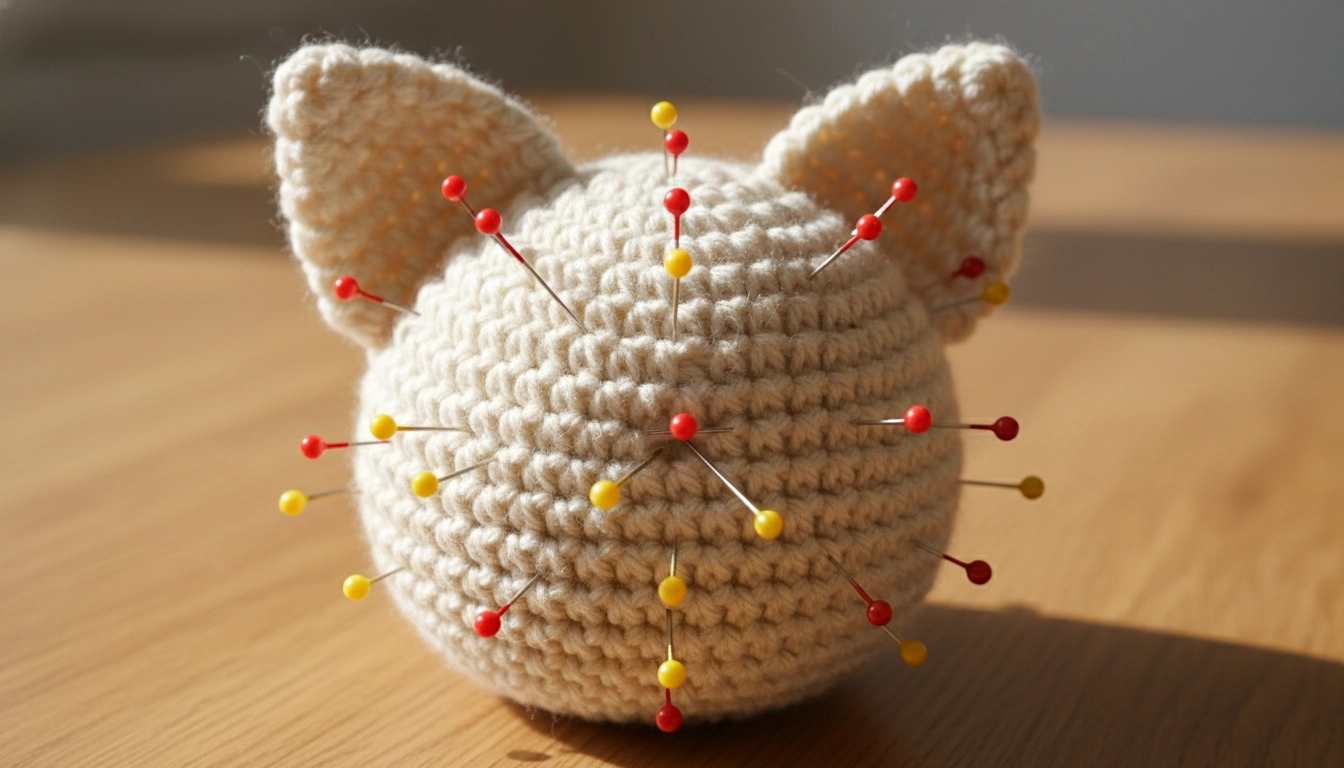
Precision is key—always pin your components to check for symmetry before you start sewing.
This is where the magic—or the disaster—happens. Assembly is a geometric puzzle. Use pins. If you don't use pins to place your ears, you're just guessing. And guessing leads to a cat that looks like it's had a rough night on Stanley Road. Place the ears on rounds 3 to 6. Look at them from the front. Now look at them from the top.
Are they symmetrical? Are you sure?
Precision in assembly is not subjective; the data below shows how alignment directly impacts the perceived quality of your final sculpture.
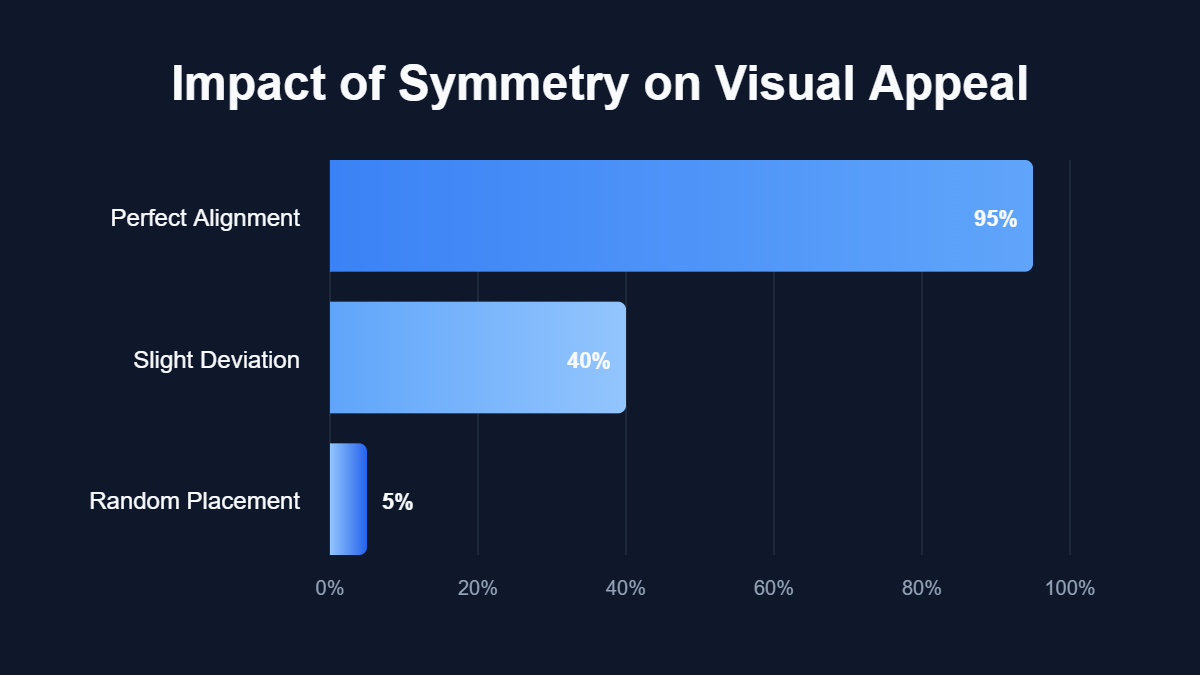
Data visualization showing Impact of Symmetry on Visual Appeal.
My Take
I spend nearly a third of my project time just pinning and re-pinning components; if the geometry is off, the entire soul of the piece vanishes.
The tail goes on round 22. Centered. The legs need to be positioned so the cat is sturdy and balanced. If it wobbles, you've put the legs in the wrong place. Rip them off and try again. Use a whip stitch. It's the cleanest, most professional way to join fiber pieces.
Symmetry Alert
Even a 'one-millimeter' deviation in ear placement can change the facial expression from curious to confused. Check your alignment three times before making the first stitch.
Embroidering the Whiskers and Facial Features
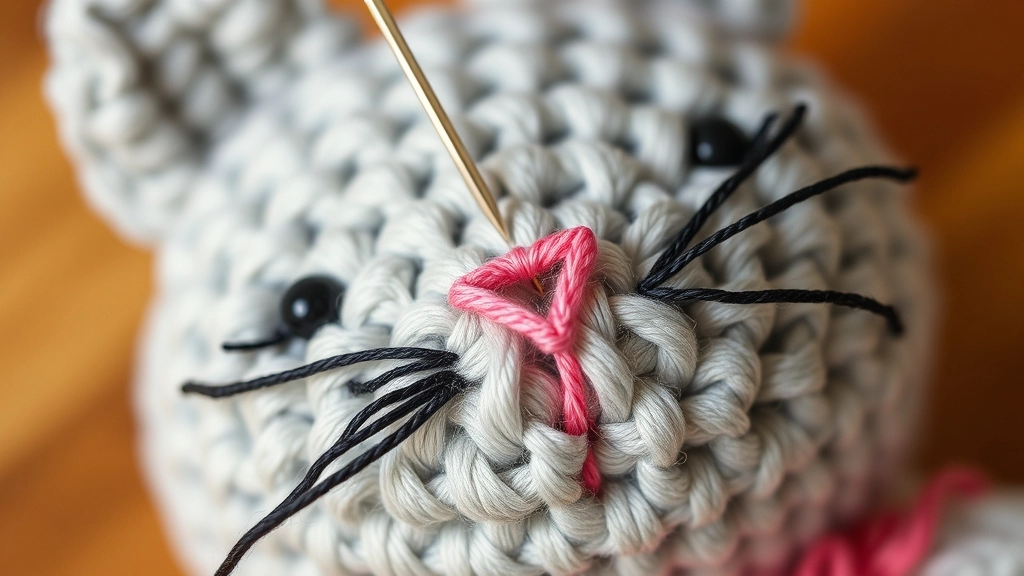
Delicate embroidery adds a layer of human personality that makes your piece feel truly expensive.
Don't rush the face. This is the artistic touch that defines the whole project. If you're not using safety eyes, French knots are your best friend. They have a lovely, tactile quality. For the nose, keep it small. A pink triangle. Simple.
Whiskers should be delicate. Use a single strand of embroidery floss. If you use the same thick yarn you used for the body, it'll look clunky. You want it to look like a cat, not a cartoon of a cat. It takes patience.
Pro Tips for a Neat and Professional Amigurumi Finish
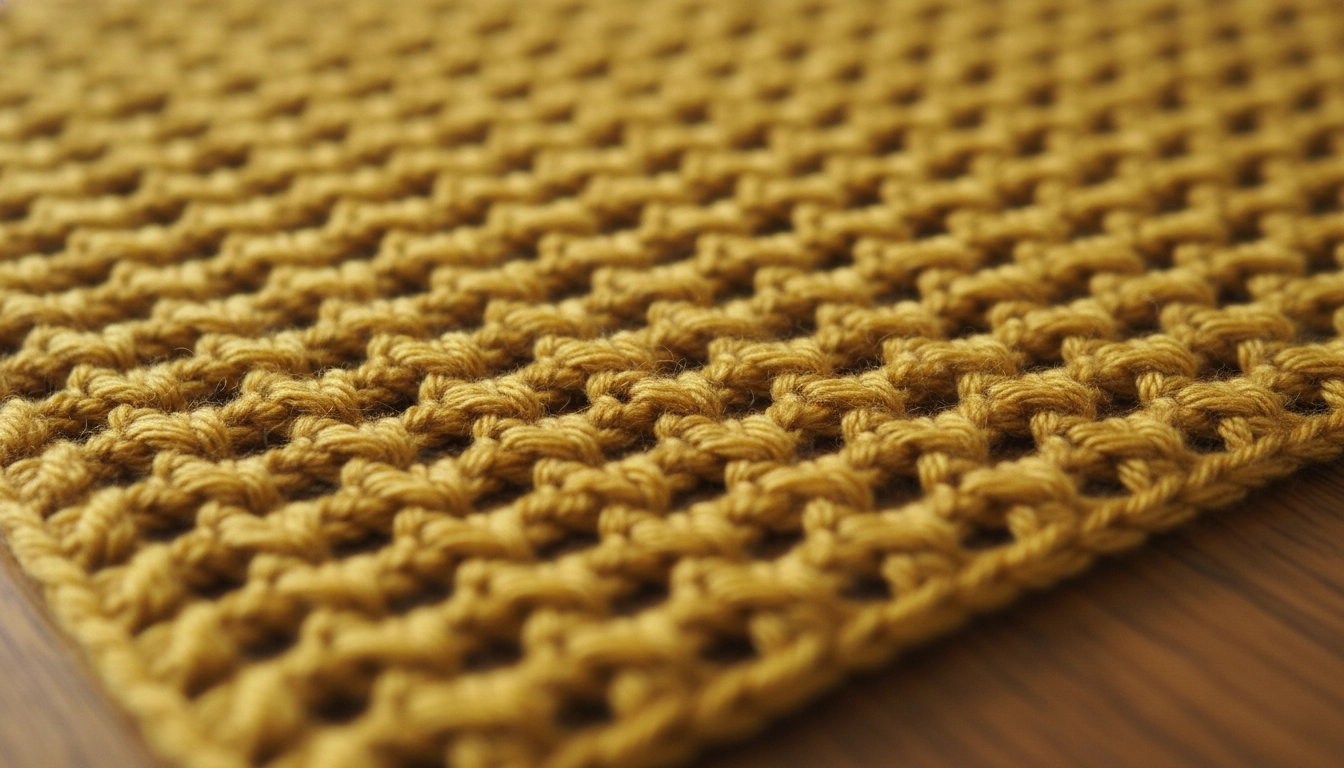
The yarn under method creates a dense, X-shaped stitch that prevents stuffing from leaking through.
Stuffing is an art form. I'm serious. Don't just cram it in. You have to layer it. Pull the fiberfill apart until it's like a cloud, then tuck it in, bit by bit. This prevents those ugly lumps and keeps the surface smooth and supple.
The choice of technique determines the final skin of your sculpture, as shown in this comparison of stitch mechanics.
| Technique | Stitch Shape | Fabric Density | Professional Level |
|---|---|---|---|
| Yarn Over | V-Shape | Standard | Hobbyist |
| Yarn Under | X-Shape | High | Architect |
My Take
The yarn under method is a total game changer for structural integrity; it eliminates the gaps where stuffing might otherwise peek through.
Try the yarn under method. It's a game changer. Instead of yarn over, you hook the yarn from the bottom. It creates this beautiful, tight X-shaped stitch. It's very professional. It also makes the fabric denser, which means no stuffing leaks. I switched to this years ago and never looked back. It's the difference between a toy and a piece of fiber architecture.
Creative Ways to Customize Your Look
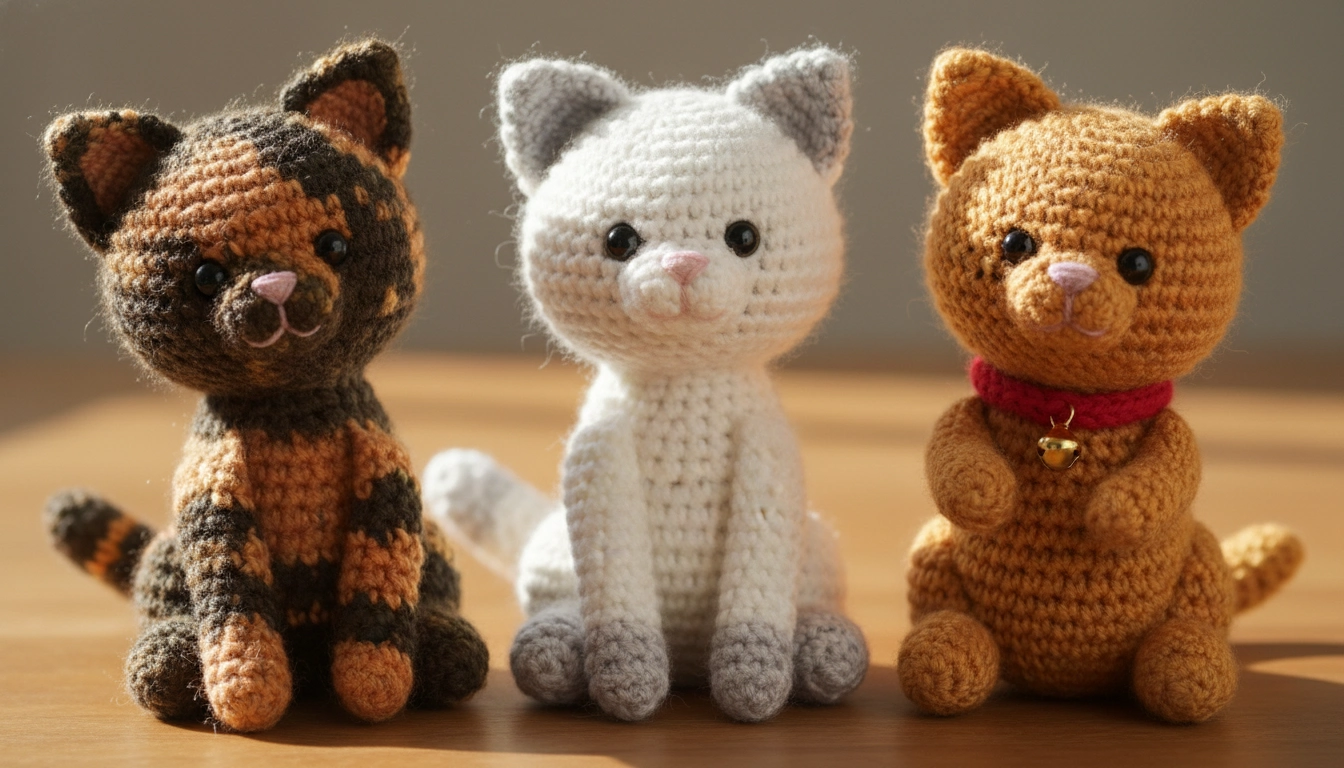
Experiment with different fibers and colors to give your cat its own unique personality.
This is where your creative intelligence comes in. I love using variegated yarn—it mimics that chaotic, tortoiseshell look perfectly. Or try color-blocking. Make the paws white. Make the tip of the tail white.
Understanding where to invest your effort is key to a high-end result, as illustrated by this breakdown of a professional's workflow.
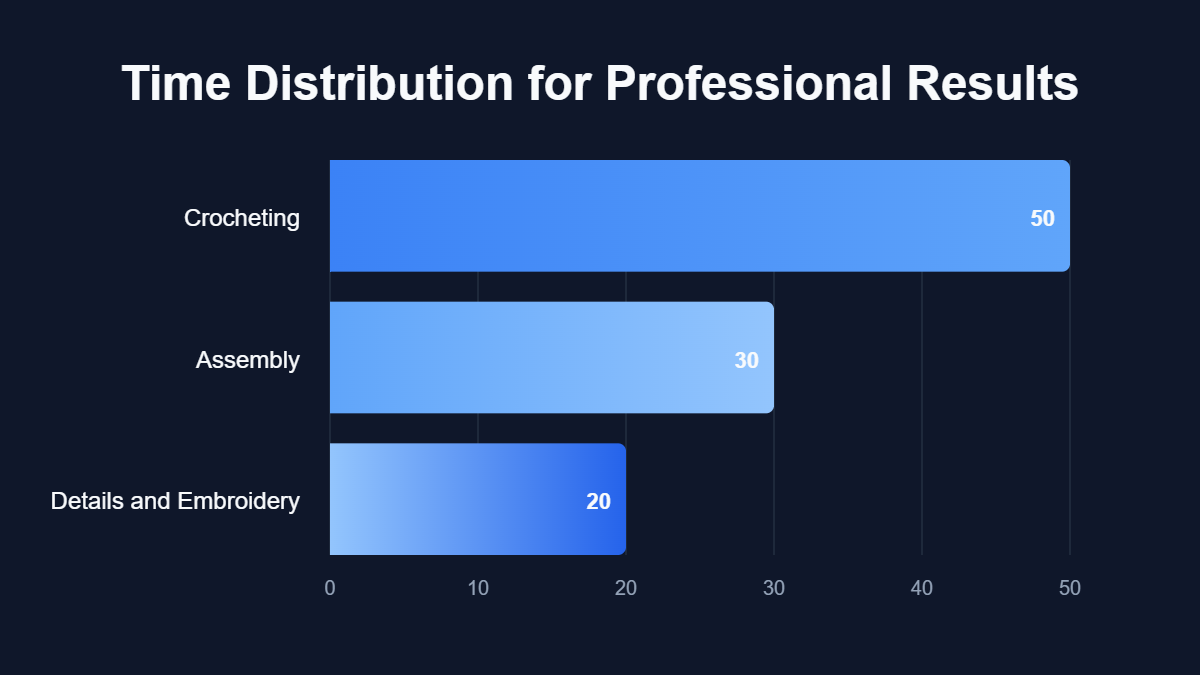
Data visualization showing Time Distribution for Professional Results.
My Take
Most beginners rush the final details, but spending twenty percent of your time on the face and embroidery is what creates a truly premium feel.
Add a collar. A little bell. It's a small detail, but it makes the piece feel finished. It's your world. I'm just giving you the tools to build it. Every choice you make, from the yarn weight to the eye placement, is a reflection of your own style.
Conclusion
A Crochet Cat Pattern is more than just a list of rounds. It's a study in shape and texture. By treating it with the respect it deserves, you're not just making a toy—you're participating in fiber architecture.
It's about mastery. It's about the obsessive pursuit of the perfect gauge. I want you to look at your yarn and see the possibilities. If you get stuck or just want to show off your tension, join the conversation. Every cat we make is a step closer to perfecting the craft.