
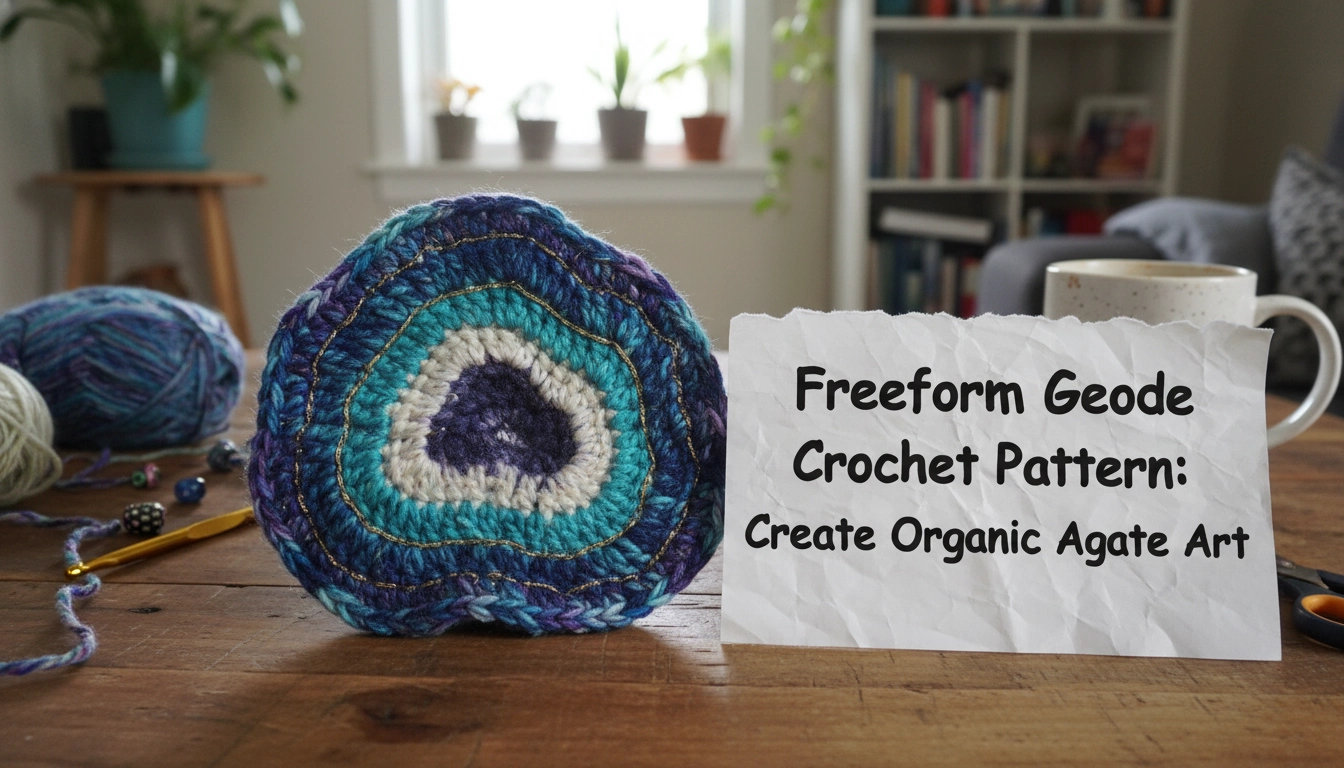
Stitch gauge isn't some mathematical box to stay inside of—it's raw architectural tension. Pull too hard on silk, you kill the drape. Let wool run wild, you get structural topography that mimics actual planetary crust. Arguing with Midjourney, trying to prompt a chaotic agate slice, Bryan King over on The Avenue in Ely sent me a photo of a real geode.
It hit me. The machine gets the math, but we have the physical hand-tension to manifest this. We are literally sculpting with loops, elevating fiber to high-end fine art.
What is a Crochet Geode and How Does It Work?
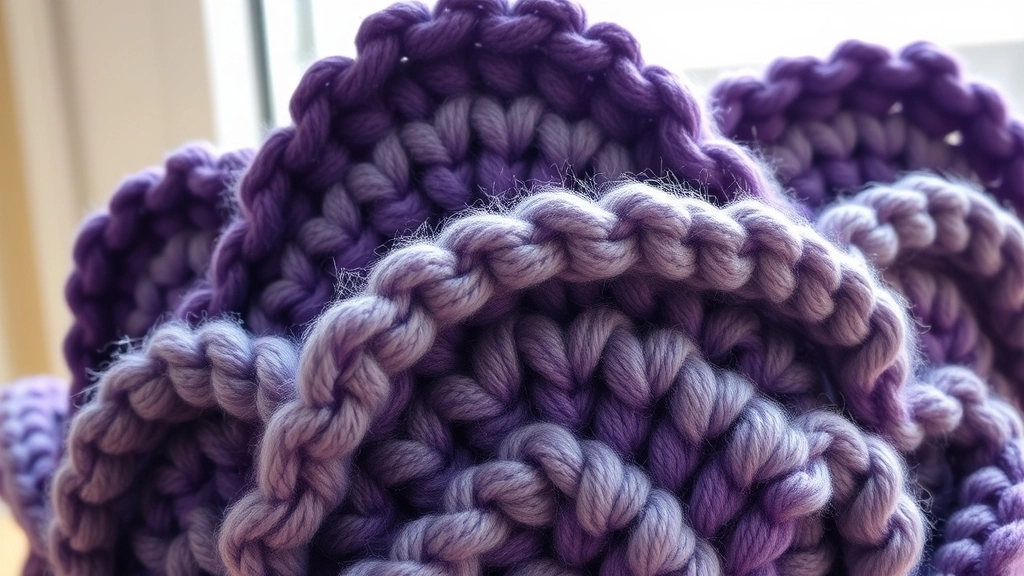
By stacking stitches of different heights, you can sculpt realistic, three-dimensional geological layers.
Imagine translating a mineral's geological timeline into loops. That's a crochet geode—a three-dimensional textile sculpture, which relies on the same dimensional engineering principles used to construct our sculptural Amigurumi Fish Pattern from flat strings. Stop working flat. Instead, stack varying stitch heights to mimic how mineral-rich water deposits quartz inside volcanic pockets. Traditional symmetry is dead here. We want organic bumps. Weird bulges.
Materials and Tools Needed for Your Crochet Geode
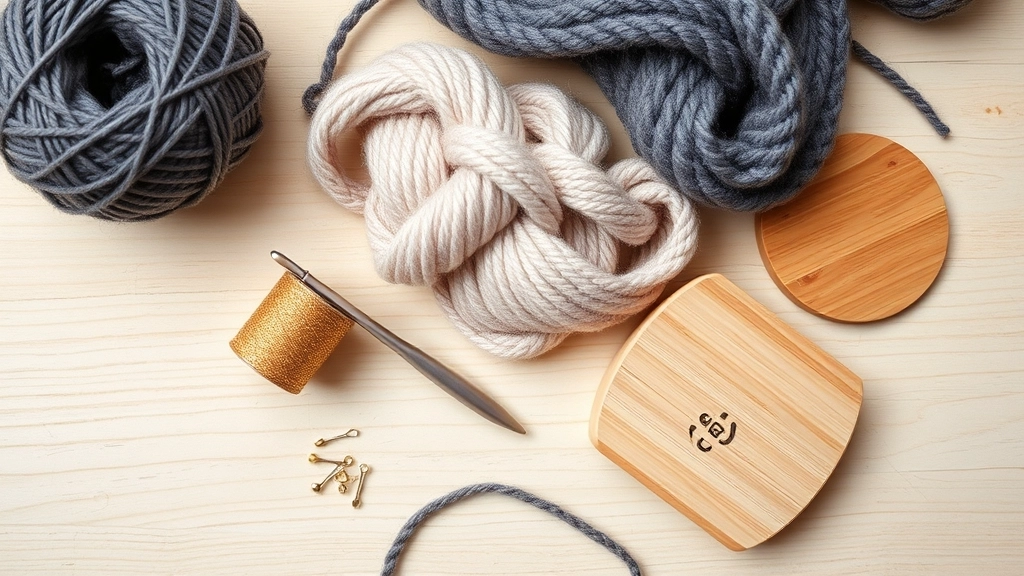
Gathering a diverse mix of shiny, smooth, and rough fibers is key to achieving a realistic geode texture.
You need structural variety. Grab fingering weight wool in stone shades, harsh metallic thread for raw quartz shimmer, and messy boucle yarn.
I use a 2.5 mm hook for the tight crystal center, and a 3.5 mm hook for the outer crust. Use a blocking board and rust-proof pins to force the finished shape.
Let us lay out how these fibers map to actual geological structures so you can plan your palette with architectural precision.
| Yarn Type | Geological Equivalent | Recommended Hook Size |
|---|---|---|
| Metallic Thread | Quartz Crystals | 2.5 mm |
| Pale Amethyst Wool | Inner Mineral Bands | 3.0 mm |
| Charcoal Boucle | Rugged Outer Crust | 3.5 mm |
My Take
Do not be afraid to mix completely different fiber weights in the same piece. The sudden jump from thin metallic lace to bulky boucle is exactly what gives the finished piece its museum-grade depth.
Choosing the Perfect Yarn and Colors for a Realistic Look
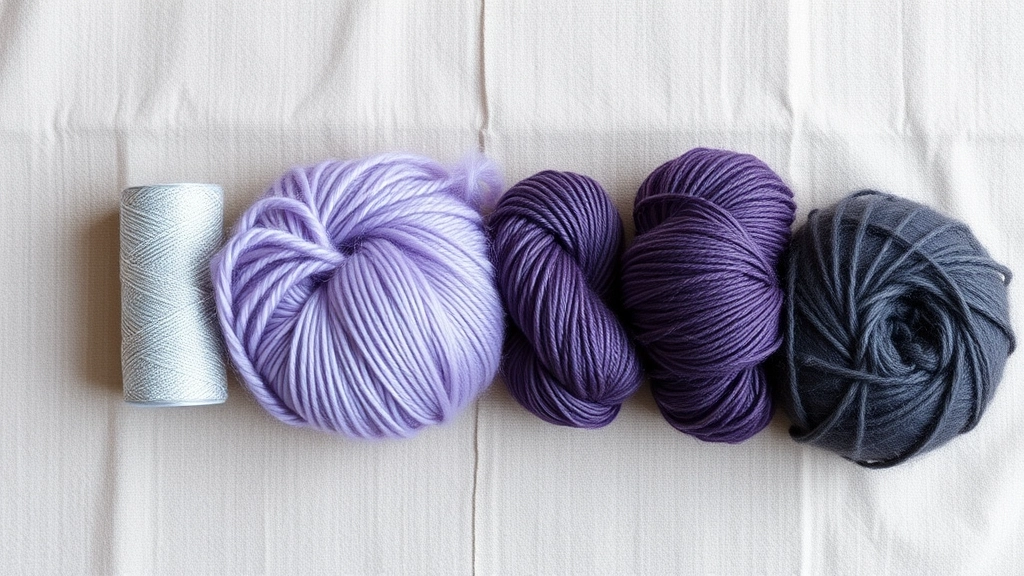
Fade your colors from a sparkling, bright core to a completely matte, earthy outer edge for an authentic look.
Real rocks have messy color transitions. Start the center with metallic gold or silver thread wrapped with fuzzy mohair for a crystalline glow. Then fade outward through a single color family—like lilac to deep amethyst.
For the outer rings, stop the sparkle. Go completely matte with earthy taupe or charcoal.
Understanding the Freeform Crochet Technique
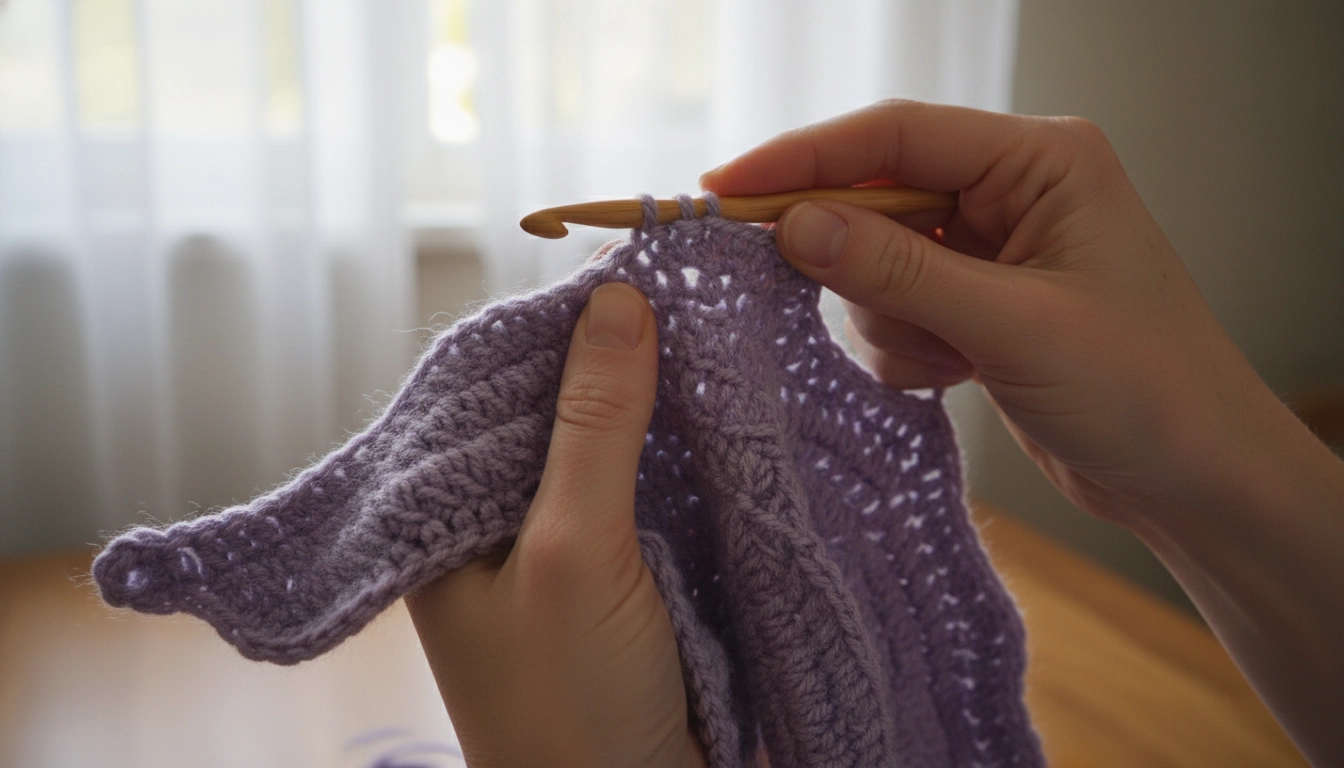
Freeform crochet is all about stitching by feel—letting your hands create natural, organic curves.
Freeform means stitching by feel, not a sterile chart. Don't count stitches. Increase where your hand feels a slope starting; decrease when a wave gets too steep. Put a double crochet right next to a slip stitch. This creates physical waves that mimic natural rock layers, letting the piece form its own beautiful asymmetry. Controlling these organic waves requires mastering your tension, a fundamental skill we dive into within our Crochet Owl Pattern to keep your fiber art from becoming a misshapen blob.
To help you visualize the structural anatomy of a freeform wave, here is a breakdown of the stitch distribution I typically use to maintain that perfect balance of organic rise and fall.
My Take
Notice how single and half double crochets dominate the foundation. You need that stable, structural base before you launch into the dramatic peaks of double and treble stitches.
The Science of Agate
Natural geodes form as mineral-rich water seeps into rock cavities, depositing layers of crystals. Your crochet stitches act as these mineral deposits.
Guide to the Freeform Geode Crochet Pattern
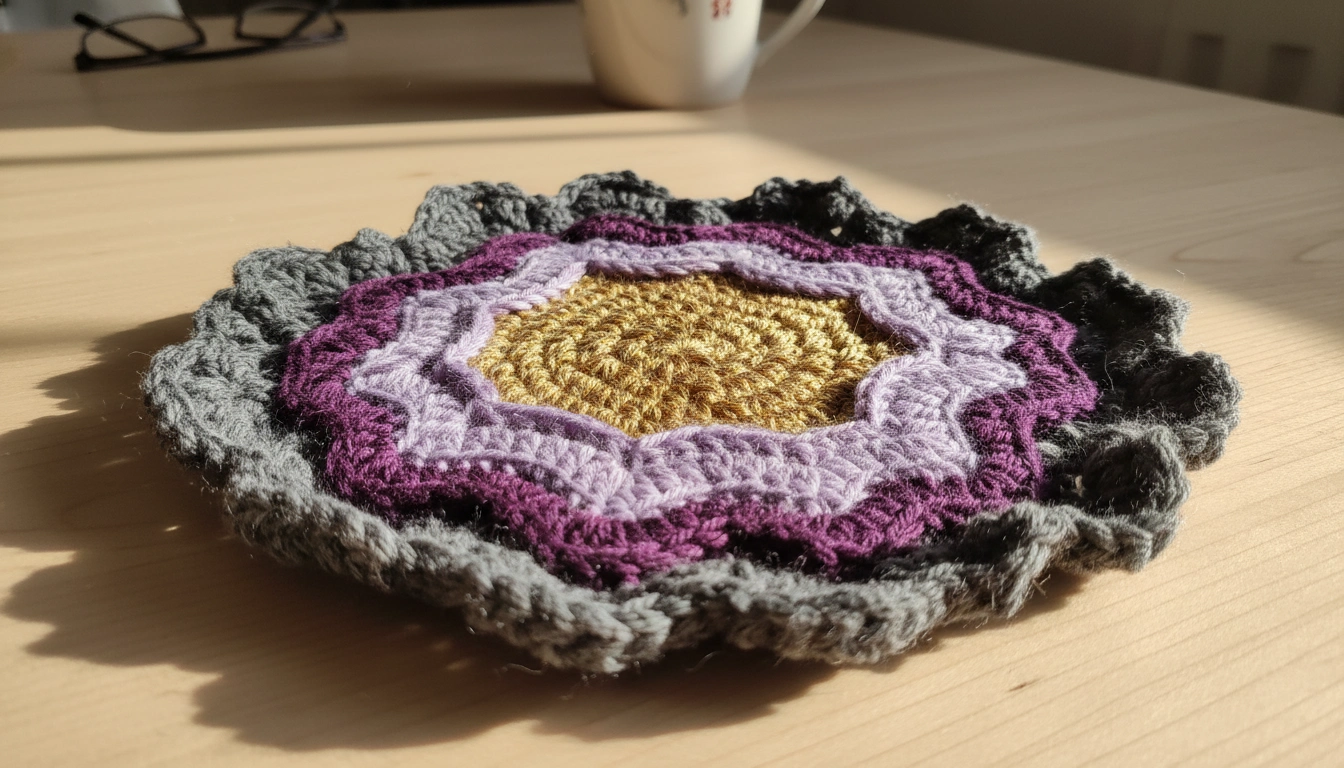
Follow the pattern steps to build your geode outward, ending with a rugged, stone-like crust.
We work from the inside out in organic, wavy rings. No two look identical.
Tips for Creating Unique Shapes and Textures
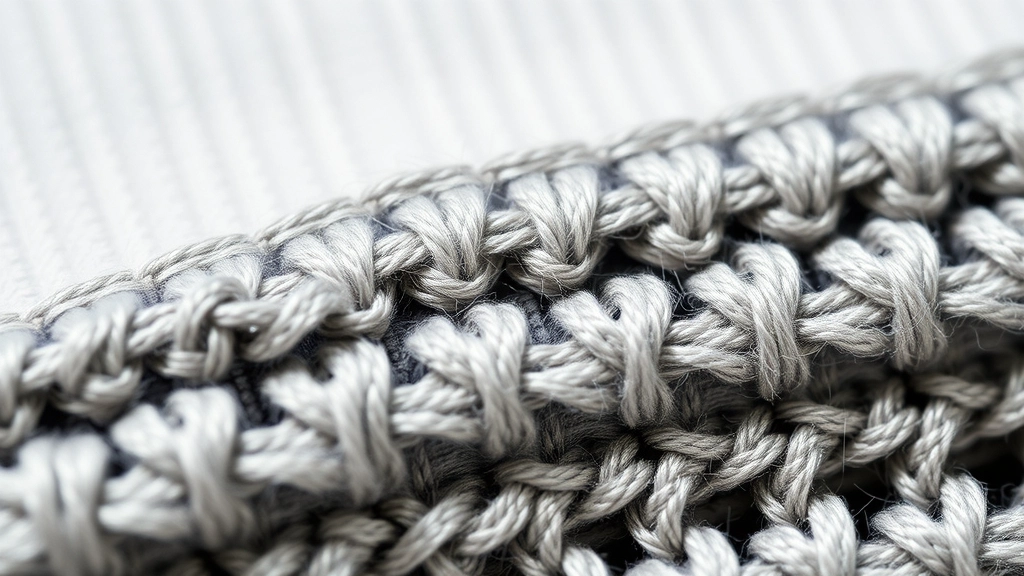
Placing a dry, matte yarn directly next to a high-shine metallic thread creates a striking, realistic boundary.
Avoid perfect circles and focus on building a sculptural silhouette that holds its shape, drawing on the same structural integrity concepts explored in our Crochet Whale Pattern. Change your hook size mid-row to expand stitches naturally, or work into front loops only. This leaves back loops exposed, creating a tiered, shelf-like appearance that mimics layered rock strata.
Textural Contrast
Combine a rough, matte linen yarn directly adjacent to a high-shine metallic thread. This sudden transition mimics the natural boundary between raw stone and pure crystal quartz.
Creative Ways to Use and Display Your Crochet Geodes
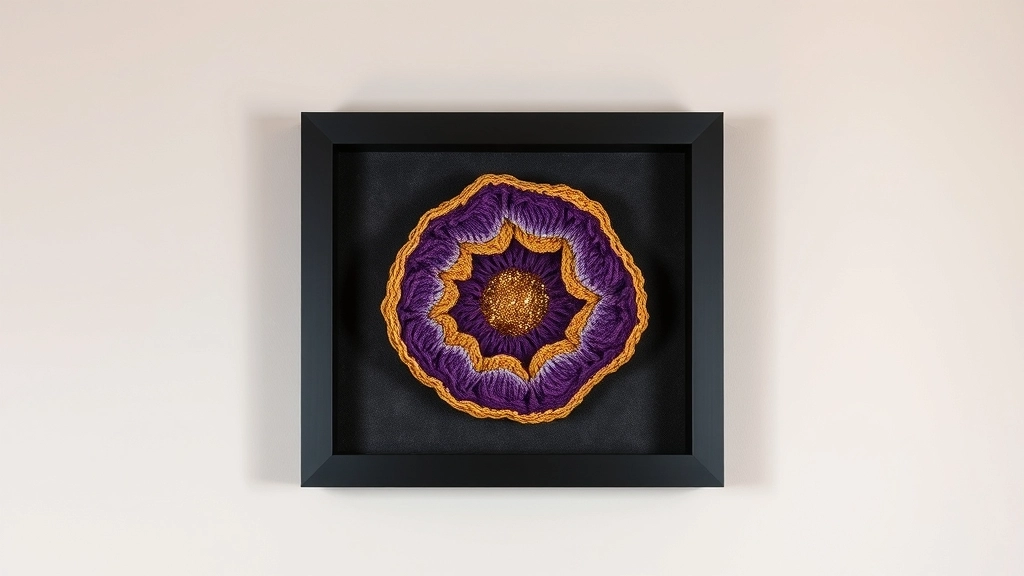
Mounting your finished geodes inside a shadowbox frame instantly elevates them into museum-grade art.
Mount your geodes inside a deep shadowbox frame against dark velvet to make those metallic stitches pop like museum art.
Or go wearable: stitch several together into a heavy, sculptural collar for an understated coat, or sew one onto a structured bag.
Master the Freeform Geode Crochet Pattern Today
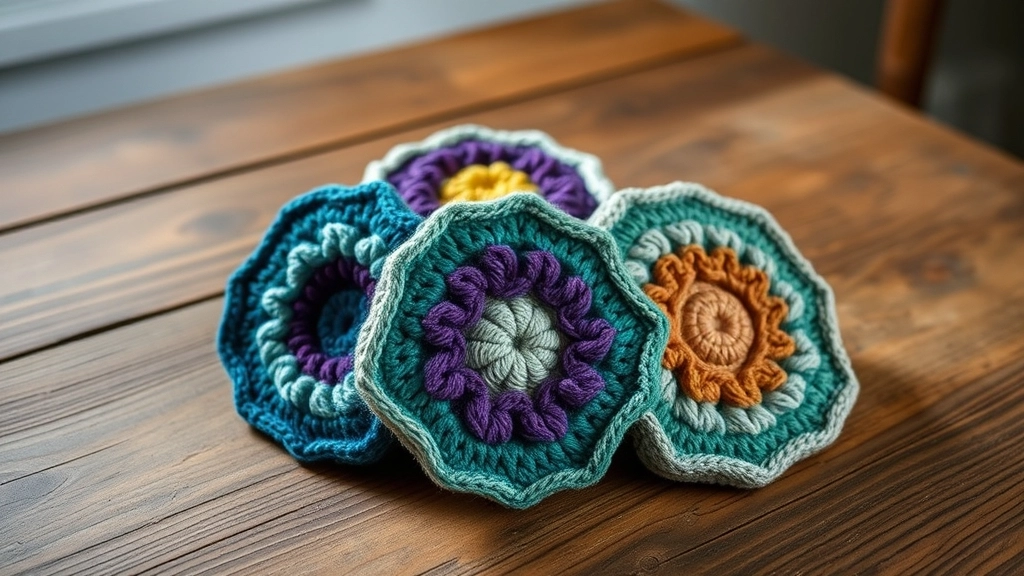
Once you master the basic technique, you can create an endless variety of custom geological art.
Yielding to unpredictable structures is freeing. By playing with unexpected stitch heights, shiny threads, and rough textures, you sculpt real art instead of just doing a hobby. What colorways are you going to try? Let me know below.