
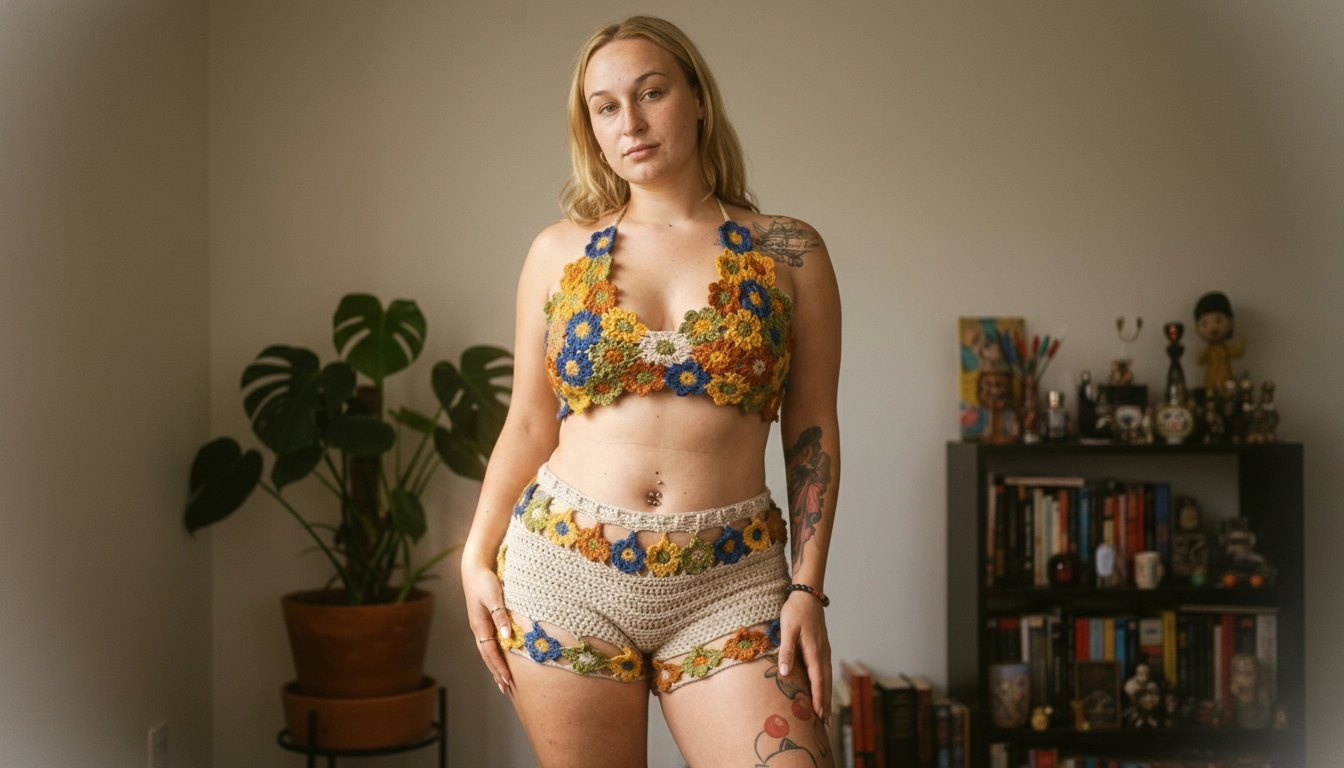
Look at the stitch geometry of wet cotton dragging down to the hips. It is sickening.
You spend twenty hours counting clusters, only for a humid afternoon to turn your work into a saggy rag.
I was running yarn-weight variables through an AI generator last week—mapping how drape responds to negative ease—and it hit me. We treat yarn like fabric when it should be engineered.
My associate Joe Clark, on Fairview St, laughed at my tension swatches. But he got it. The floral math anchors everything. If gauge is off, the structure collapses. Let's not build garments that sag.
Understanding the Basics of Motif-Join Garments
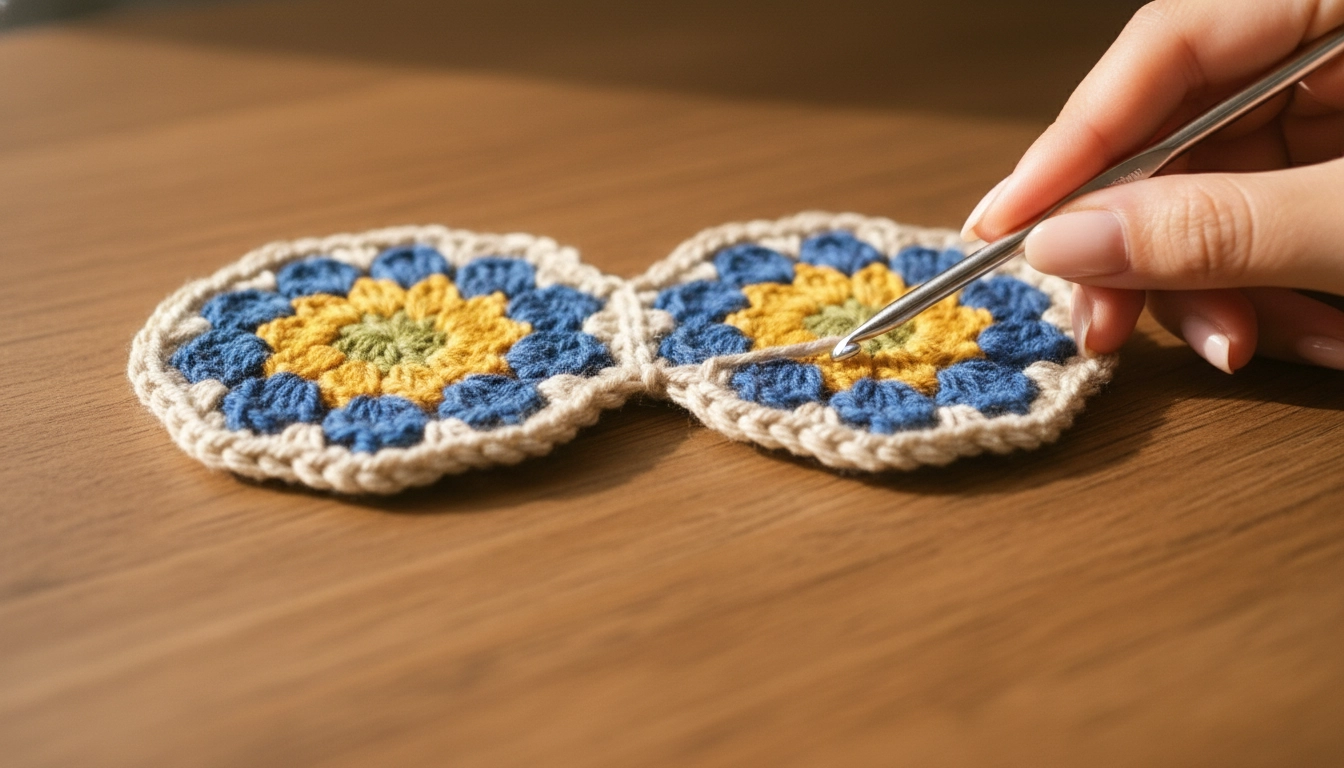
Using a join-as-you-go slip stitch technique creates a flat, elastic seam that distributes tension evenly across the garment.
You aren't just joining patches. This is a load-bearing network where a single flower acts like a tiny truss.
Connecting them with slip stitches creates a geometric lattice that distributes stress. Most fail using standard single crochet seams that stiffen the drape.
I hate that.
Instead, use a join-as-you-go technique for flat, shock-absorbing seams. I explored a similar motif-joining strategy in my Garden Party Ready: Crocheting an Earth-Tone Granny Square Romper guide, which treats every joined motif as a load-bearing column.
Before building, we need to analyze how different joining methods handle structural tension across the body.
| Joining Method | Structural Integrity | Drape Quality |
|---|---|---|
| Traditional Sewing | Low elasticity under tension | Stiff and bulky seams |
| Single Crochet Seam | Medium strength but creates ridges | Rigid and limits movement |
| Join As You Go | High elasticity and stress distribution | Flat and completely fluid |
My Take
Always opt for the join-as-you-go method. It turns the entire garment into a unified engineering grid rather than a series of patchworks held together by weak threads.
Overview: The Boho Floral Crochet Two-Piece: Halter Bralette and High-Cut Shorts with Flower Motif Trim
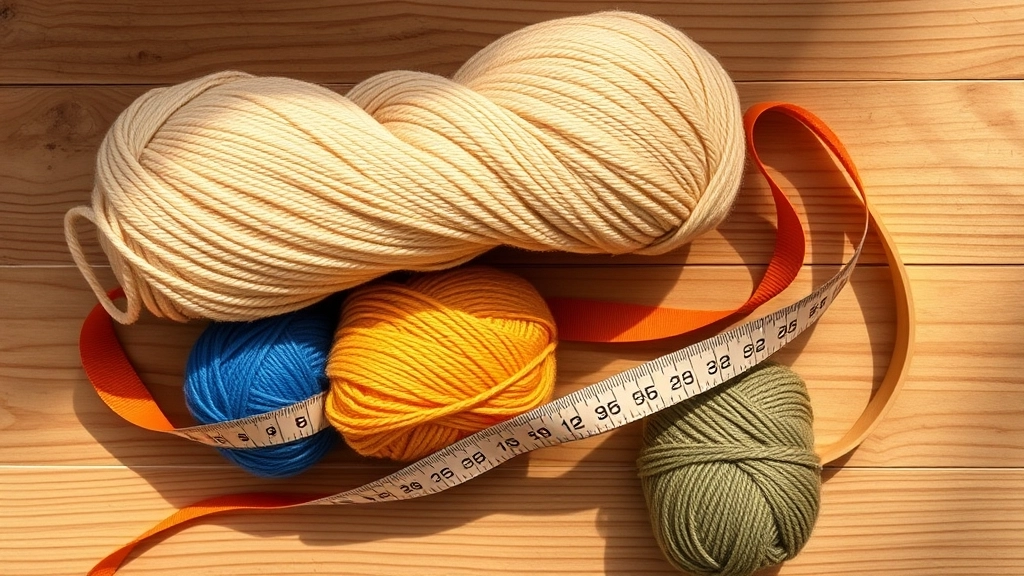
The vintage-inspired color palette grounds the retro aesthetic with a modern, polished finish.
I wanted seventies style with modern lines. I combined half-double stitches with open, airy daisy circles. This design philosophy is very similar to my Boho Beauty: How to Crochet a Granny Square Lace-Up Bandeau Top, where geometric modular design replaces fast-fashion synthetic alternatives.
The palette must be right: burnt orange, mustard yellow, royal blue, olive green, all framed by neutral beige. It looks polished, almost industrial.
The Power of Mercerized Cotton
Using 100 percent mercerized cotton yarn is crucial for this project. Mercerization increases the strength and color retention of the fiber, ensuring your floral motifs do not pill or sag when wet.
To get the exact vintage look I wanted, I calculated the precise yarn distribution ratio to balance the neutral base with the bright seventies accents.
My Take
Keep the neutral beige as your primary color to ground the design. The bright accent colors work best when restricted to the flower centers and petals to prevent visual chaos.
Flower Motif Design: Crocheting Individual Daisy Circles
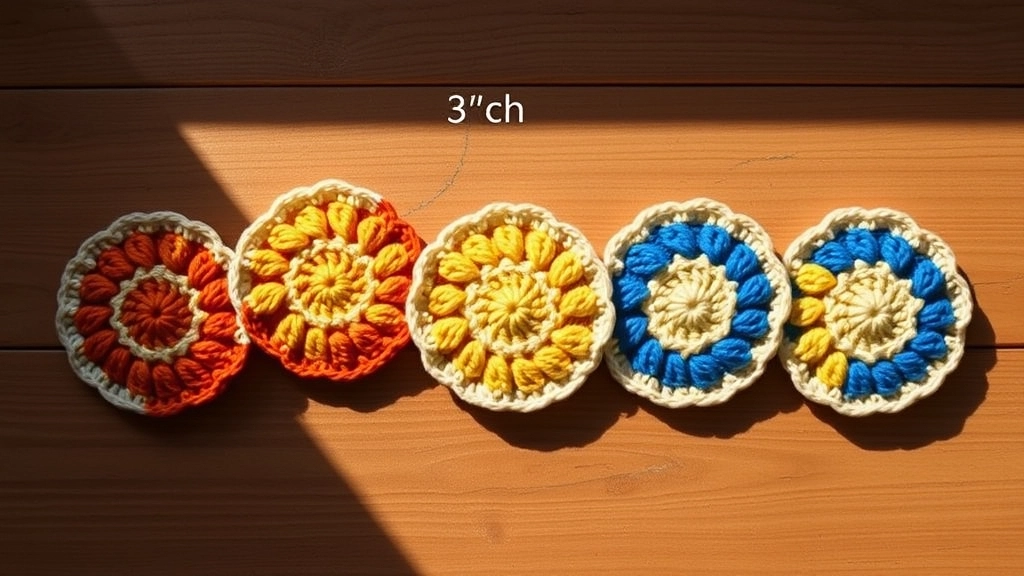
Ensure each finished daisy motif measures exactly three inches across to maintain consistent garment sizing.
The magic is in the density. Every petal is a puff or double cluster popping out like sculpted plastic.
Use a 2.75 mm hook.
A larger hook ruins the gauge, gaping the centers. We want tight circular tiles maintaining their diameter. Feel the yarn resist.
If your flower motifs do not measure exactly three inches across, your entire garment sizing will fail, so let us troubleshoot the common tension errors.
| Motif Issue | Mechanical Root Cause | Corrective Action |
|---|---|---|
| Flared or wavy edges | Excess stitches or loose tension | Drop down a hook size |
| Cupped or bowl shape | Tight stitches or missed chains | Relax your grip and check chain counts |
| Sagging center ring | Loose magic ring tail | Pull the tail tight and knot securely |
My Take
Measure your first three motifs. If they vary by even a millimeter, adjust your tension immediately because those tiny differences compound across twenty-four motifs.
Bralette Construction: Halter Neck Ties and Floral Border Detail
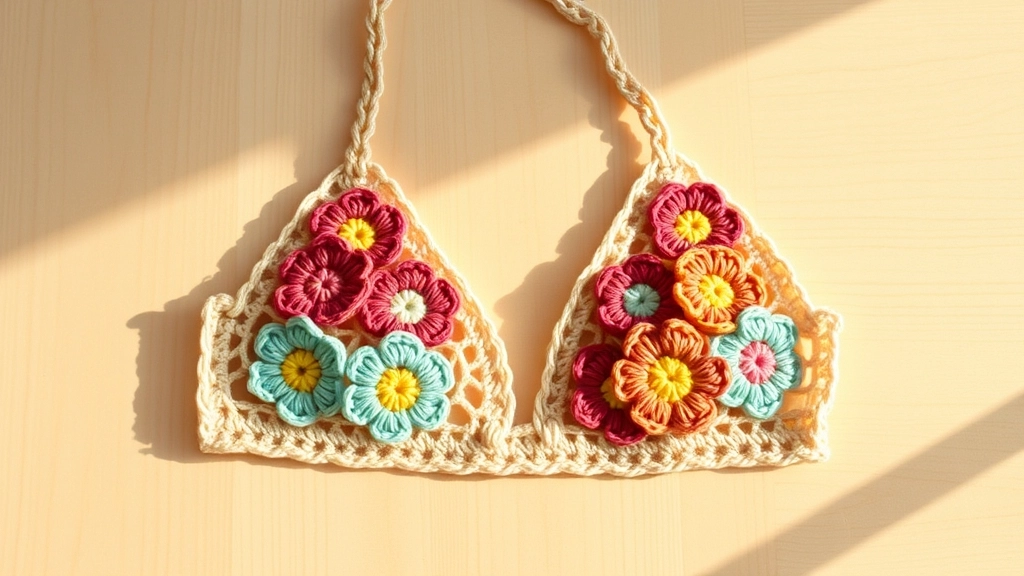
Mapping twelve motifs into triangular cups creates a comfortable, supportive fit with no bulky seams.
Twelve motifs. Six per side, mapped in triangles.
Join-as-you-go is your holy grail. Pull the loop through the corresponding chain space of the adjacent flower during the final round. It feels incredibly satisfying.
No bulky seams scraping your skin. Just a fluid grid with straps built directly from the apexes. If you want to apply these structural concepts to other cup-based designs, check out my plus size bralette crochet pattern which uses a similar math-based approach to get a custom fit.
Shorts Construction: Beige Base Body with Floral Waistband
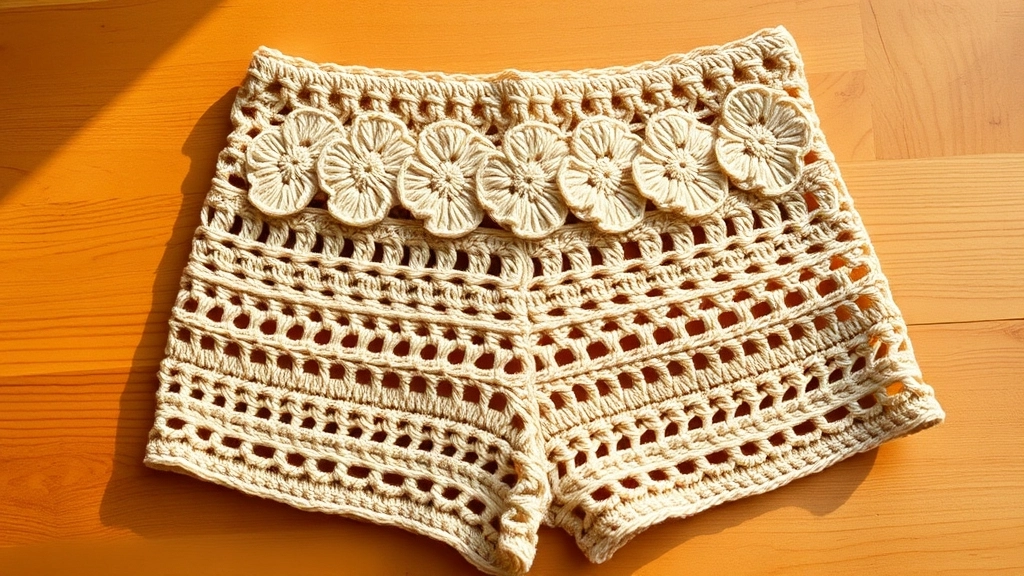
A sturdy ring of floral motifs anchors the waistband before transitioning into a flexible half double crochet body.
We start at the top. The waistband is a heavy ring of eight motifs acting as an anchor.
If it stretches, the shorts slide.
Below this ring, we transition to a chain mesh, then drop into solid half double crochet. Working in the round prevents side seams from warping. This technique of building a stable waistband is also crucial when working on a fitted crochet pants pattern to ensure the garment hugs the hips without stretching out over time.
Pattern: Complete Guide to Crocheting the Floral Bralette and Shorts Set
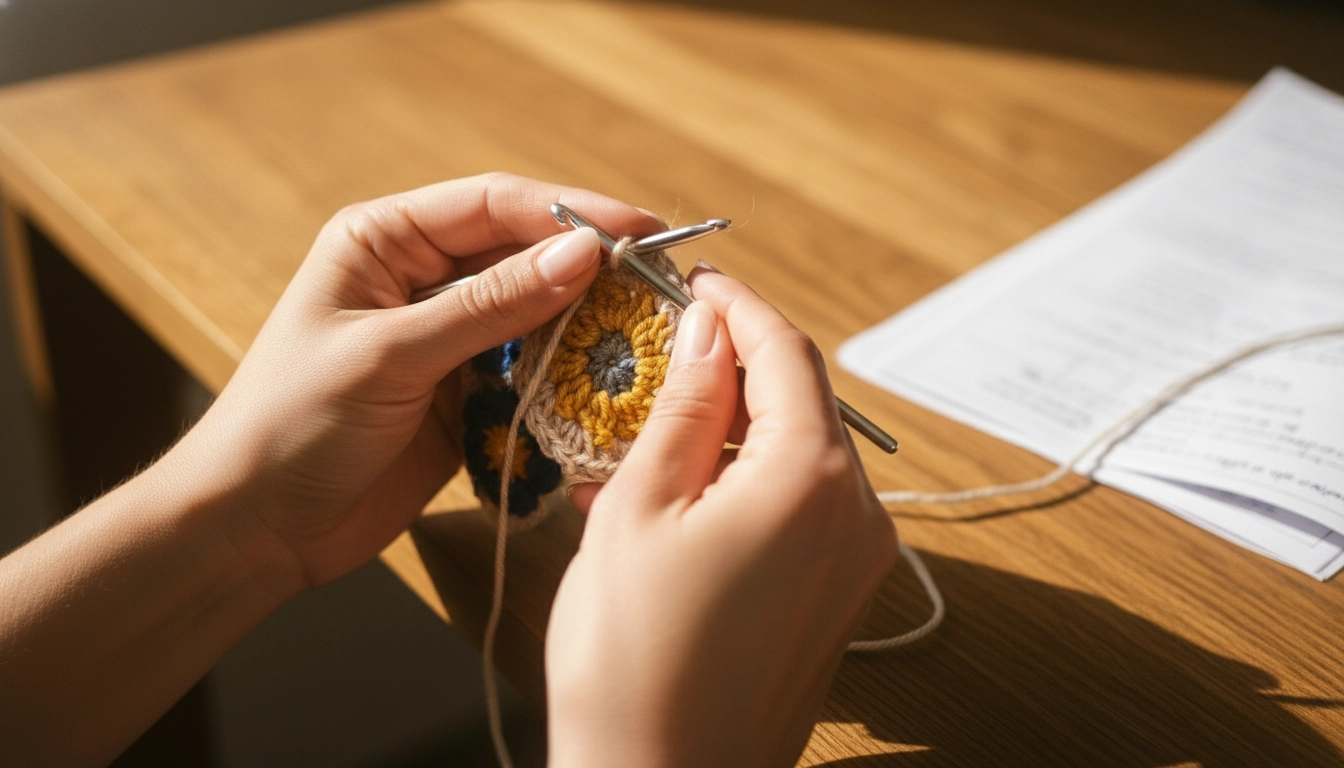
Maintaining uniform tension is key to executing this intermediate-level crochet pattern successfully.
This pattern is for those who control their tension. Grab your sport weight mercerized cotton and a trusty 2.75 mm hook.
Tension Check
Keep your join-as-you-go slip stitches loose. Tight slip stitches will cause the edges of your motifs to pucker, ruining the flat drape of the waistband and cups.
Styling & Occasions: Music Festivals, Beach Days, and Poolside Lounging
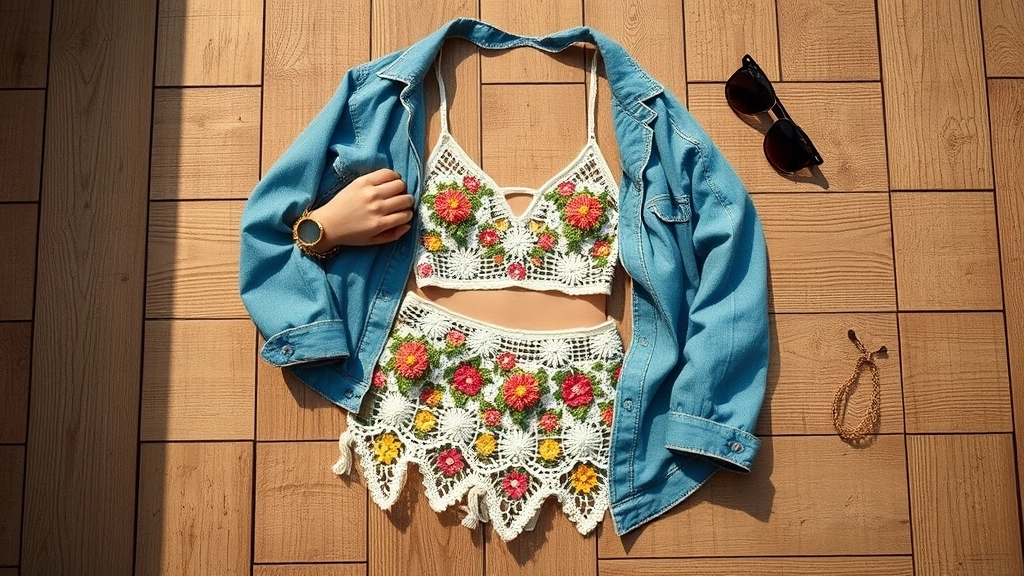
Contrast the soft, structured mercerized cotton of the two-piece set with a rugged vintage denim jacket for the ultimate festival look.
This demands attention.
For a desert festival, throw a heavy denim jacket over it and add chunky brass rings. The contrast between rigid denim and structured mercerized cotton is satisfying.
It breathes perfectly, staying cool and exactly where it should.
Conclusion
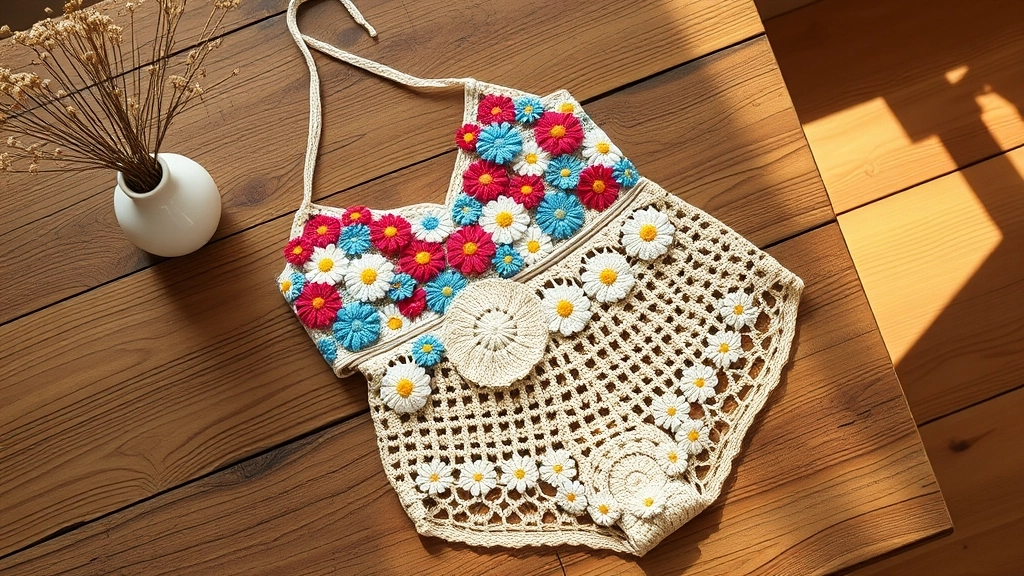
Take control of your stitch tension and build a wearable work of structural art.
Making a two-piece set is about taking total control. It is structural art.
By leaning into join-as-you-go math and balancing your tension, you build something that holds its shape.
Grab your hook. Pick your colors. Let's make this.