
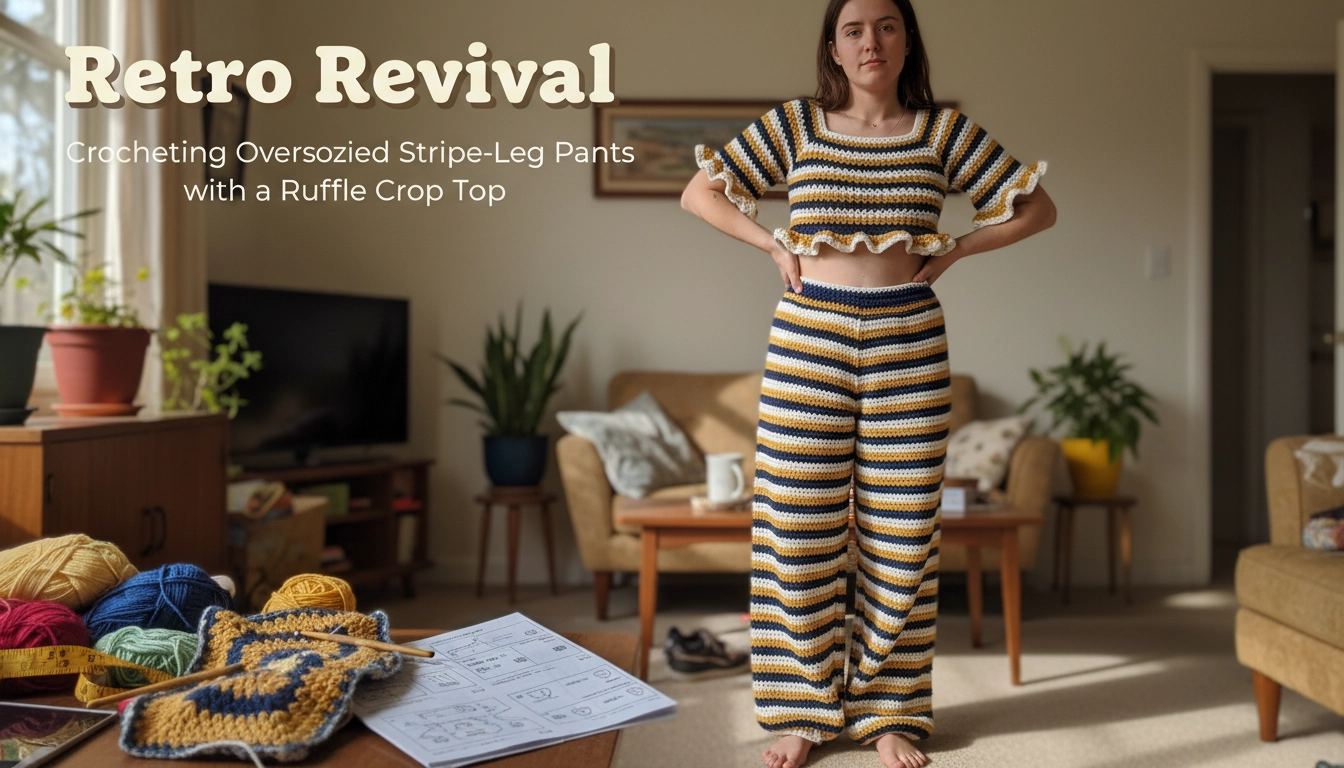
Look at the yarn. Just look. If you think crochet is mindless repetition, you miss the geometry of gravity. Yesterday, I fed a generative AI model prompts about drape, trying to predict when a 3.5 mm hook breaks the tension of a cotton-acrylic blend. It failed. Algorithms don't get that weight turns architecture into a saggy disaster. I'm obsessed with gauge. Literally. If your gauge is off, the fabric loses its poetry and melts. Let's fix that.
Quick Access
Skip straight to the pattern instructions below if you already have your yarn and 3.5 mm hook ready to go!
This set isn't about being cute; it's about making seventies style architectural.
Mastering the Retro Revival: Crocheting Oversized Striped Wide-Leg Pants with a Ruffle Crop Top
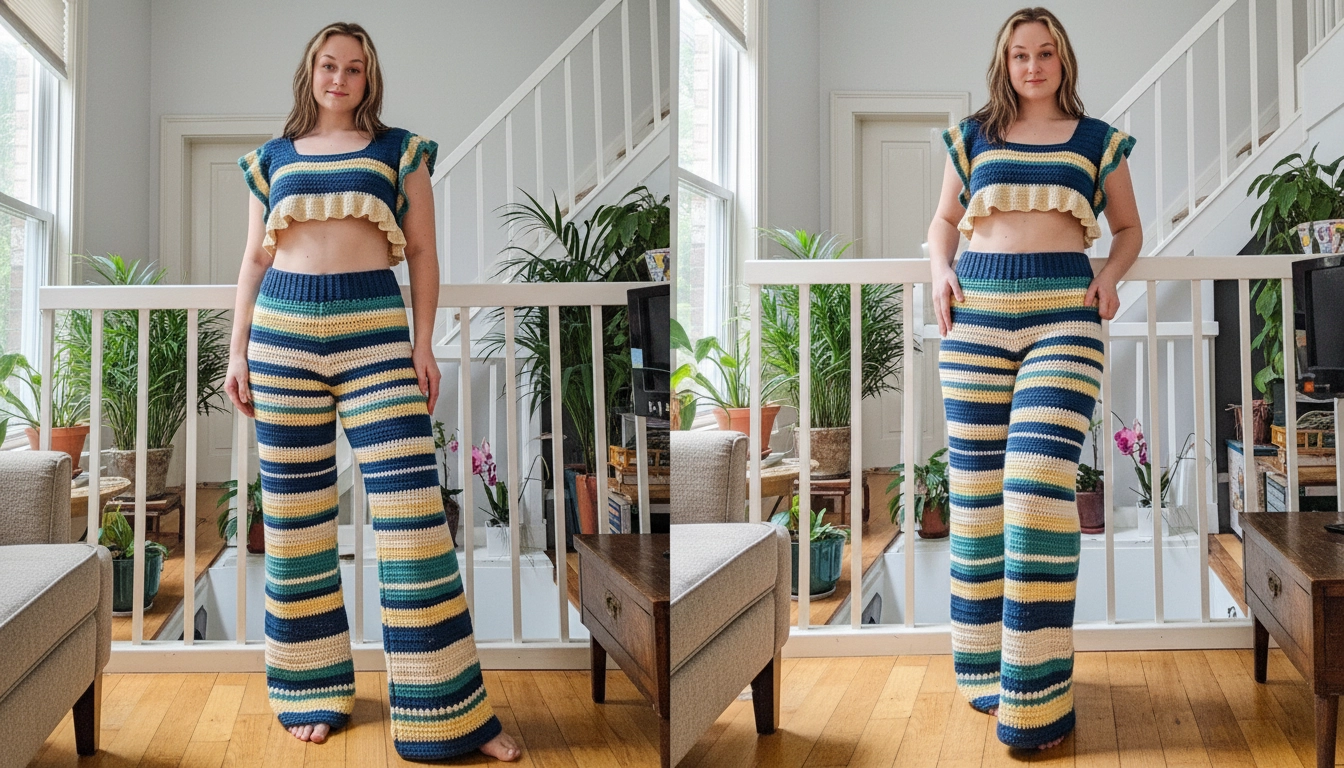
The completed silhouette balances the volume of the wide-leg pants with the structured fit of the crop top.
We are building a silhouette. The oversized pants require stripe scaling, balanced by the tight compression of the crop top.
By using a ribbed waistband, we anchor the weight. The double crochet stitches act as columns of tension, dictating how the fabric moves when you walk. It's wearable engineering.
Precision is everything. The stripes must align perfectly. If they don't, the human eye registers the error, ruining the illusion of height.
Choosing the Perfect Yarn for Drape and Structure
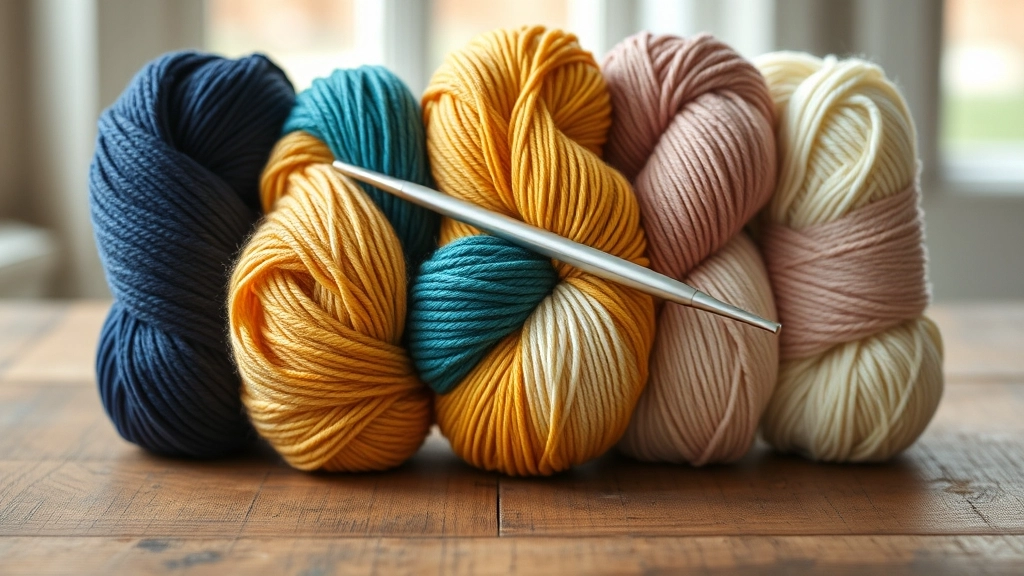
Selecting a balanced cotton-acrylic blend ensures your stitches have both drape and structural memory.
Fiber dictates destiny. Alvin Meyer, in Wilmington, agrees weight is the enemy of the wide leg. Heavy fibers let gravity win, yielding baggy knees.
A sport-weight cotton-acrylic blend is the magic formula. Cotton provides cool, structural texture—tactile poetry—while acrylic injects memory.
Acrylic acts like a spring, keeping shape after sitting. 100% cotton bags out in an hour. Trust me, you'll regret it.
Selecting the right yarn is always a balancing act between structural integrity and fluid movement, so I mapped out how the most common fibers behave under tension. For another vintage-inspired project that masterfully balances drape and flow, check out the Pink Striped Mini Dress and Long Kimono Cover-Up Set.
| Fiber Type | Drape Quality | Structural Memory | Best Use Case |
|---|---|---|---|
| 100 Percent Cotton | Heavy and fluid | Very low | Summer shawls |
| 100 Percent Acrylic | Light and bouncy | Moderate | Structured toys |
| Cotton Acrylic Blend | Balanced and elegant | High | Wearable garments |
My Take
When in doubt, always lean toward a fifty-fifty cotton and acrylic blend. It gives you the stitch definition of cotton with the springy resilience of acrylic, preventing the dreaded saggy-bottom look after sitting down.
Pant Construction: Working in the Round with a Ribbed Waistband
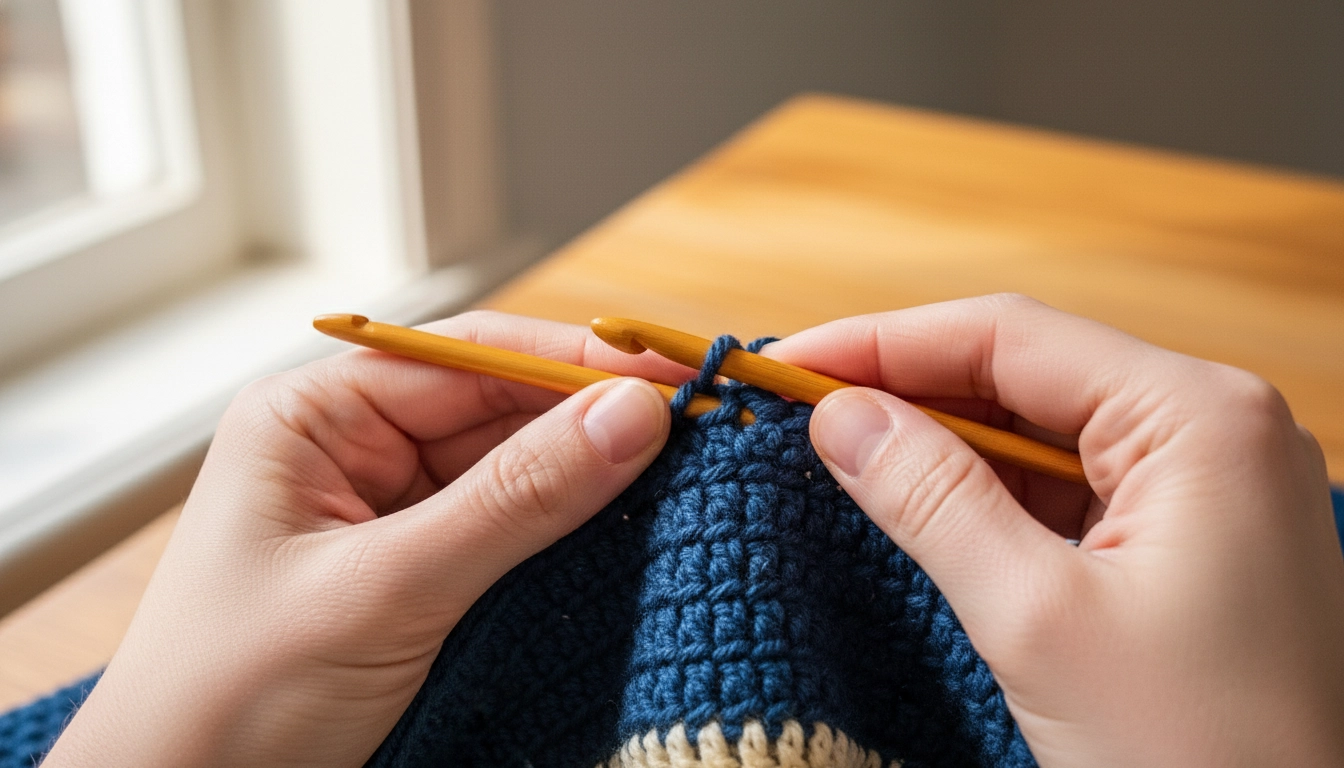
Working in the back loop only (BLO) creates the elastic ribbing needed to anchor the weight of the pants.
Everything starts at the waist. We construct vertical ribbing using single crochet in the back loop only. This foundation acts as a structural beam, distributing the load across your hips.
Once joined, work down in the round. But alternate your join directions every round, or that seam will migrate and twist like a vine. Use markers to split the work.
Stripe Sequencing: Navy, Yellow, Teal, Blush, and Cream Color Rotation
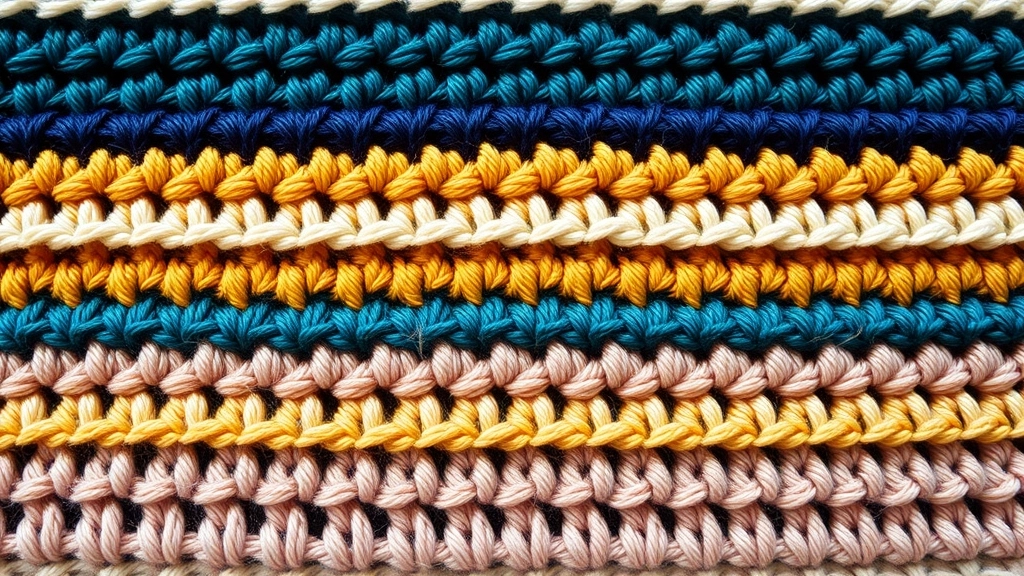
The retro color rotation creates a striking visual pattern that defines the 1970s aesthetic.
Color is emotion, but carrying color is a battle. Don't cut your yarn at every change; weaving in hundreds of ends ruins the drape. Carry the yarn.
Keep float tension loose so the fabric doesn't pucker. Always do the final pull-through of the stitch with the new yarn. Don't be lazy.
To help you visualize the color balance before winding your skeins, here is the approximate yardage distribution percentage I used to achieve this balanced seventies palette.
My Take
Using Navy as your dominant base anchors the design, while the smaller pops of Yellow and Blush keep the overall aesthetic bright and vintage without feeling overwhelming.
Crop Top Details: Square Neckline, Cap Sleeves, and Ruffle Hem
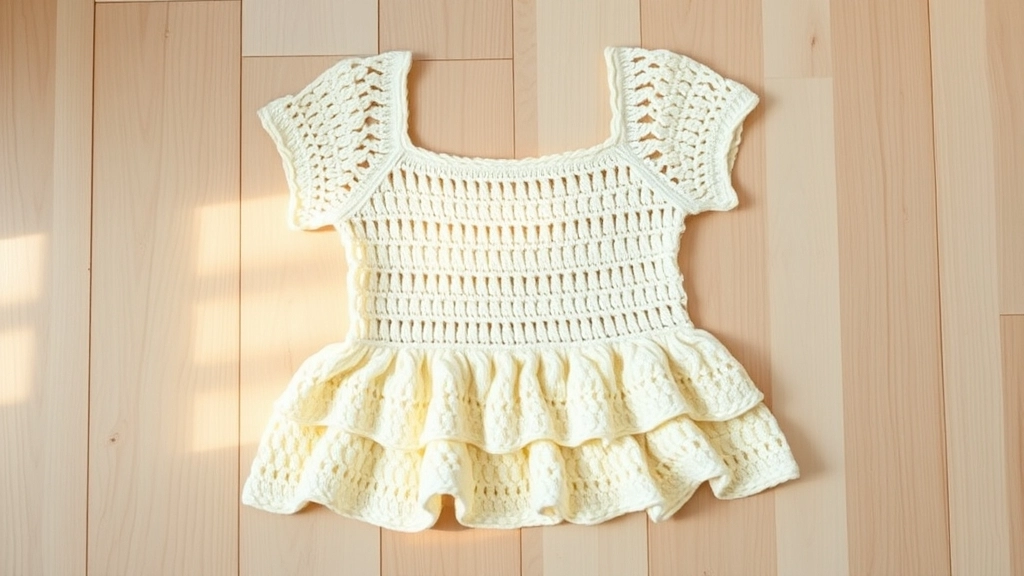
The ruffle hem adds a playful, high-texture contrast to the clean lines of the square neckline.
The top is the counterweight. It must be tight and sharp. If you want to try another fitted design, check out our tutorial on crocheting an American Flag Halter Bralette Top, which uses strict geometric principles to maintain perfect tension. The square neckline frames beautifully, while cap sleeves offer subtle structure. Build this bottom-up.
Then, the ruffle. Working multiple double crochets into one stitch triggers explosive volume. It creates a chaotic, wavy edge that dances. Pure texture.
Sizing and Drape: Adjusting Width and Length for the Perfect Fit
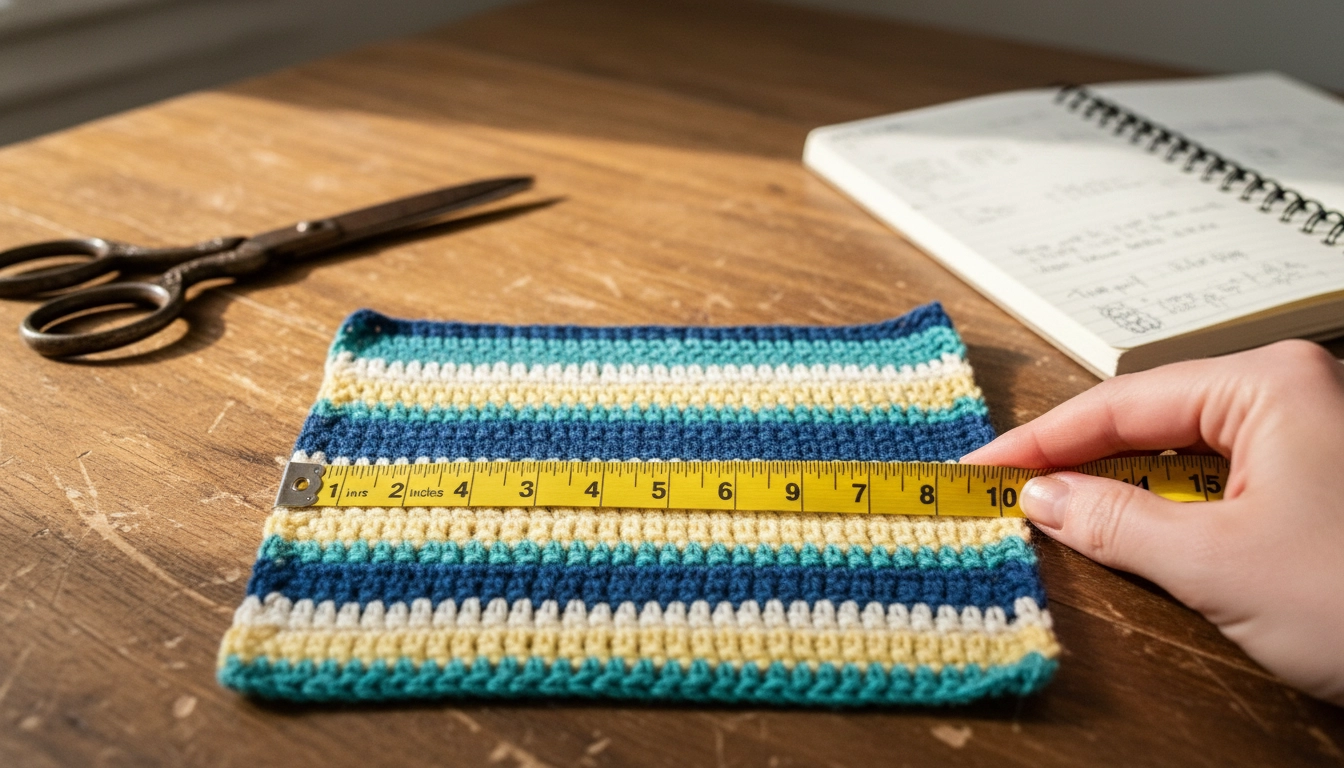
Always measure your blocked swatch to ensure your finished pants fit perfectly without sagging.
Aim for two inches of negative ease at the waist and two inches of positive ease at the hips. This lets the wide-leg drape work. This is a similar sizing strategy used when making our pastel striped booty shorts to ensure a comfortable, second-skin fit.
Tension Control
Always wash and block your gauge swatch before measuring. Cotton blends stretch significantly under their own weight, and blocking reveals the true drape of your fabric.
Calculating ease is where the math meets the art of crochet, so here is a quick reference guide on how to adjust your measurements for the perfect fit.
| Body Measurement | Desired Ease Type | Target Fabric Dimension |
|---|---|---|
| Waist | Two inches negative ease | Two inches smaller than body |
| Hips | Two inches positive ease | Two inches larger than body |
| Thigh | Three inches positive ease | Three inches larger than body |
My Take
Always measure your hips at their widest point. If you skimp on the positive ease there, the wide-leg drape will pull tight and lose its beautiful architectural flow.
Free Pattern Instructions for the Retro Revival: Crocheting Oversized Striped Wide-Leg Pants with a Ruffle Crop Top
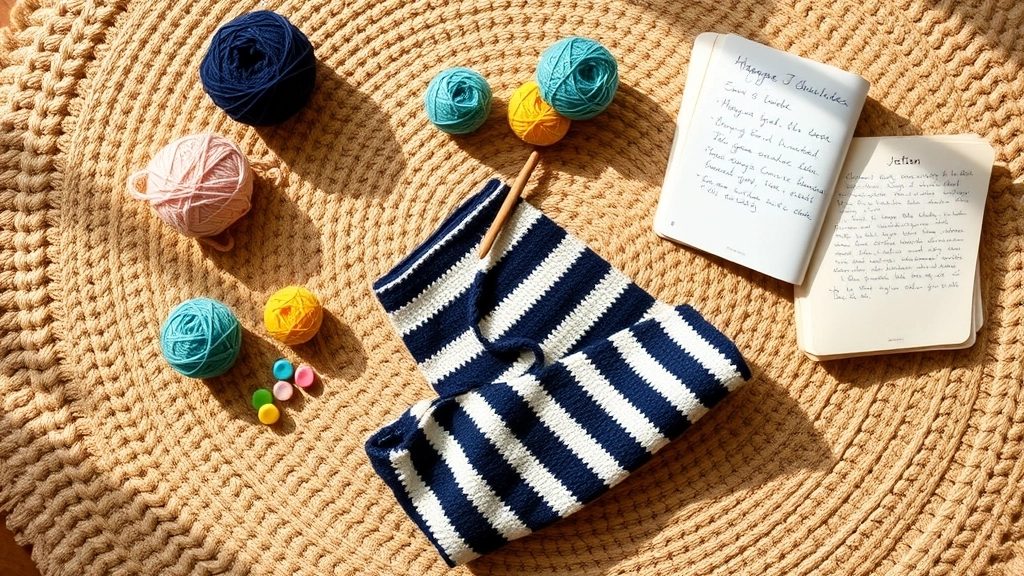
Gather your materials, check your gauge, and begin your retro crochet journey.
This intermediate baseline is for a medium size. Read your stitches and adjust.