
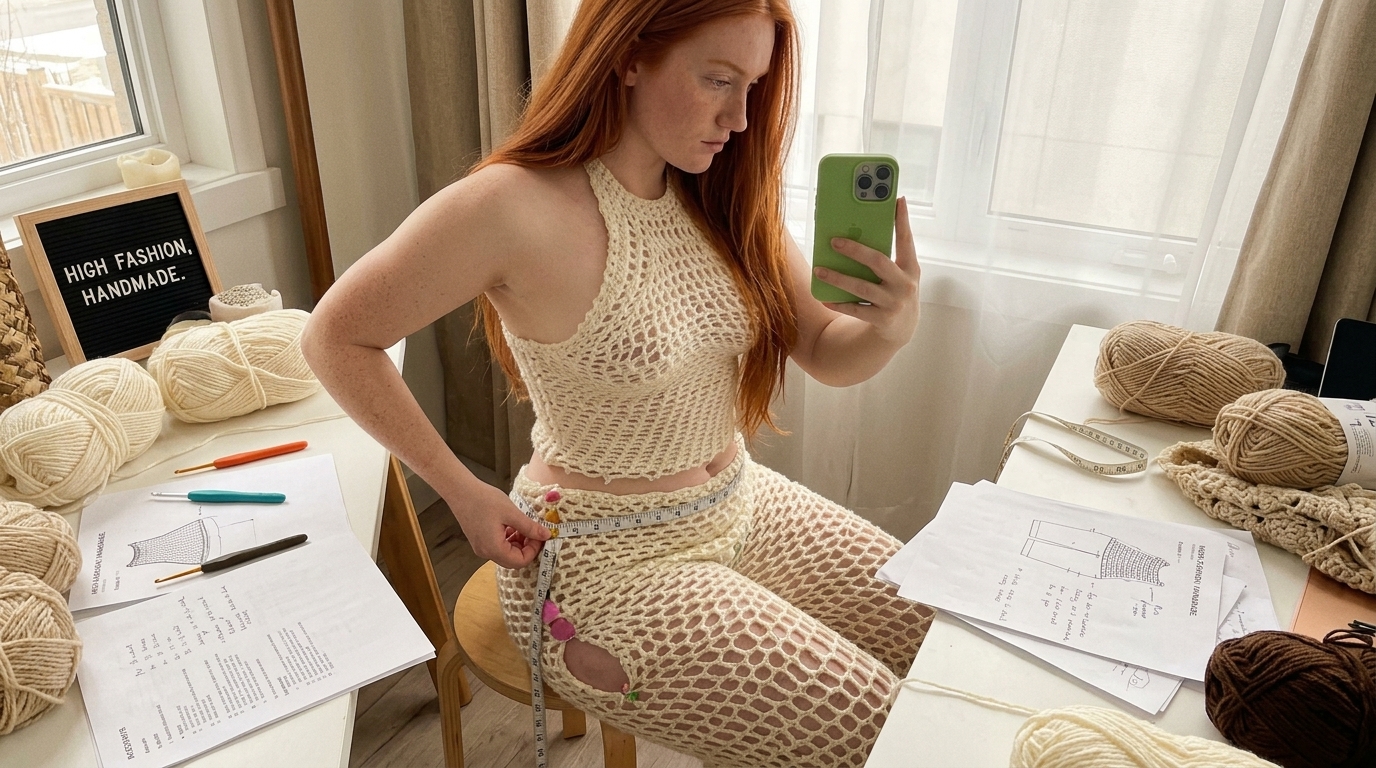
Look at your pants right now. Are they bagging at the knees like some sad, deflated balloon? Because most handmade trousers look like a literal sack, and honestly, I am over it.
We have been brainwashed into thinking handmade means slouchy. No. We are doing high-key math today to fix this. My friend Brooke Harris from Newport DM’d me complaining that her pants stretched out into a massive, unwearable mess after one hour of wear on North Road. So, I sat down with my grid paper. We are merging a ribbed waistband with an openwork grid to fight gravity.
Understanding the Basics of a Fitted Crochet Pants Pattern
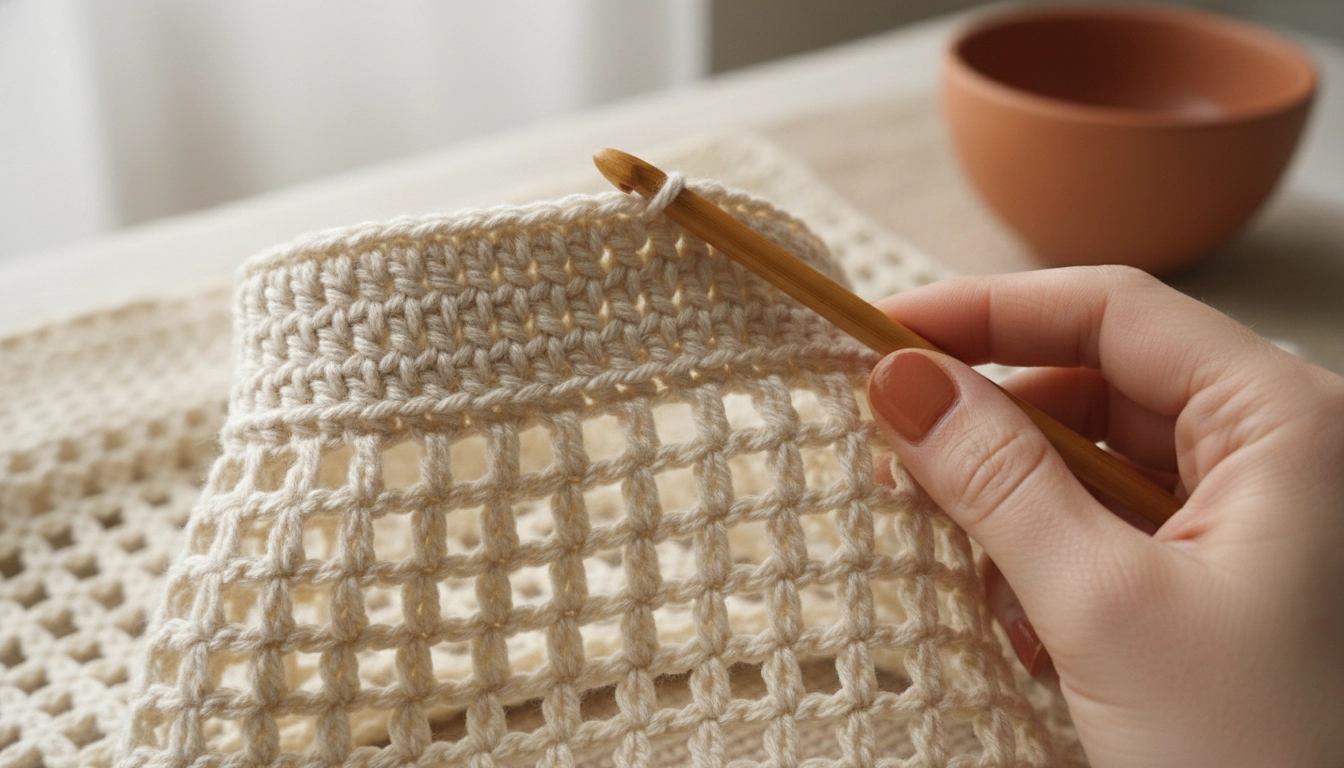
The vertical ribbing acts as a suspension system to keep your pants securely in place.
To get a proper fitted crochet pants pattern working, you have to think about tension. Specifically, negative ease. Most people just make a giant tube and hope for the best.
That is a crime.
We are using vertical ribbing to act like a built-in suspension system. The waistband holds everything up, and then we drop down into this fluid mesh drape. It is a double crochet math problem. Because of the openwork, the fabric doesn't get heavy. It doesn't drag itself down.
Let us break down why standard crochet pants look like a diaper while this engineered design actually hugs your curves.
| Traditional Crochet Pants | Our Engineered Method |
|---|---|
| Giant tubes with zero shaping | Vertical ribbing suspension system |
| Heavy stitches that sag | Openwork mesh to keep fabric light |
| Positive ease that stretches out | Negative ease for a secure fit |
My Take
Standard pants drag themselves down because yarn is heavy. By switching to vertical ribbing at the waist and open mesh for the legs, you are creating a structural frame that stays put.
Why You Will Love Crafting Your Own Fitted Crochet Pants
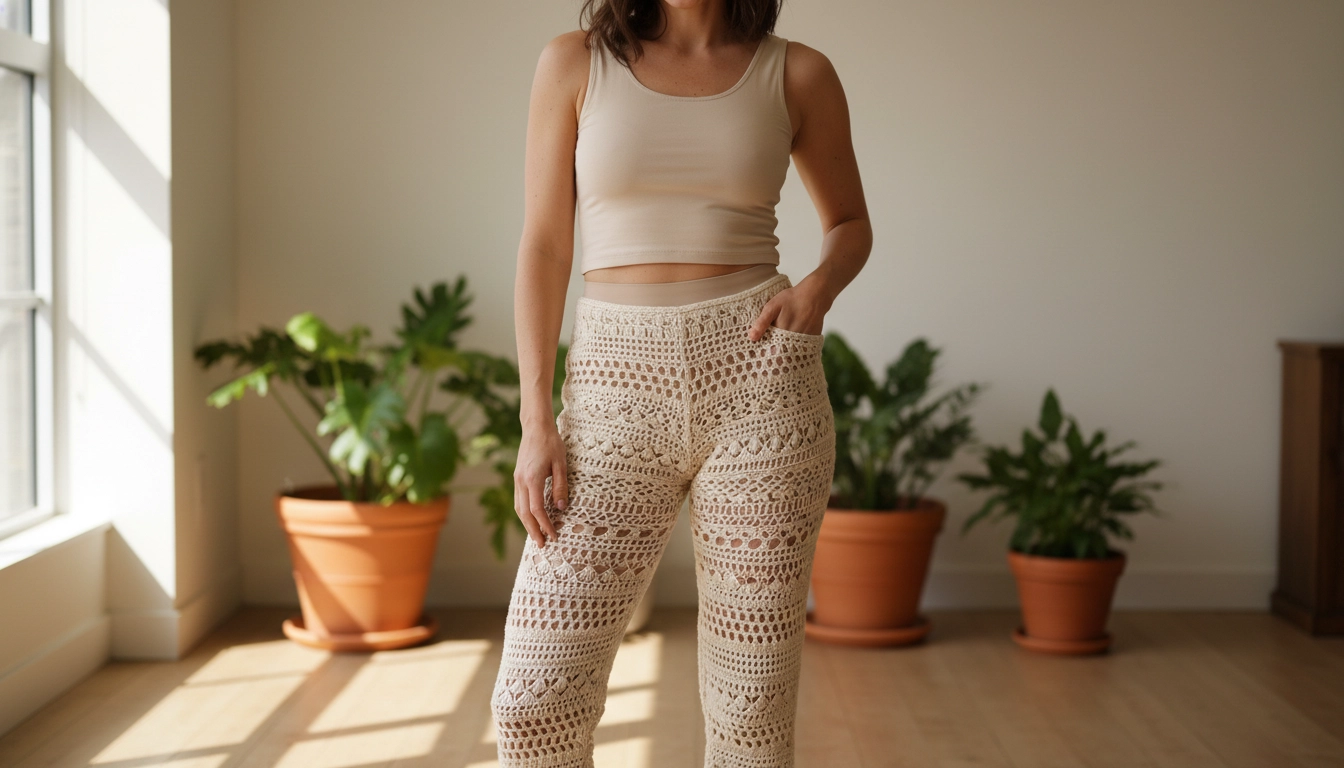
Tailoring your own pants means achieving a perfect, gap-free fit that flatters your unique shape.
Fast fashion is a scam designed for some imaginary average body. When you build your own trousers, you are the algorithm.
You decide the rise and exactly how many inches of curve-hugging math you need from hip to waist. No more weird gaps. Plus, the visual texture of open-mesh is unmatched. It is very editorial. Throw it over high-waisted briefs for streetwear.
How to Measure Yourself for a Flawless Custom Fit
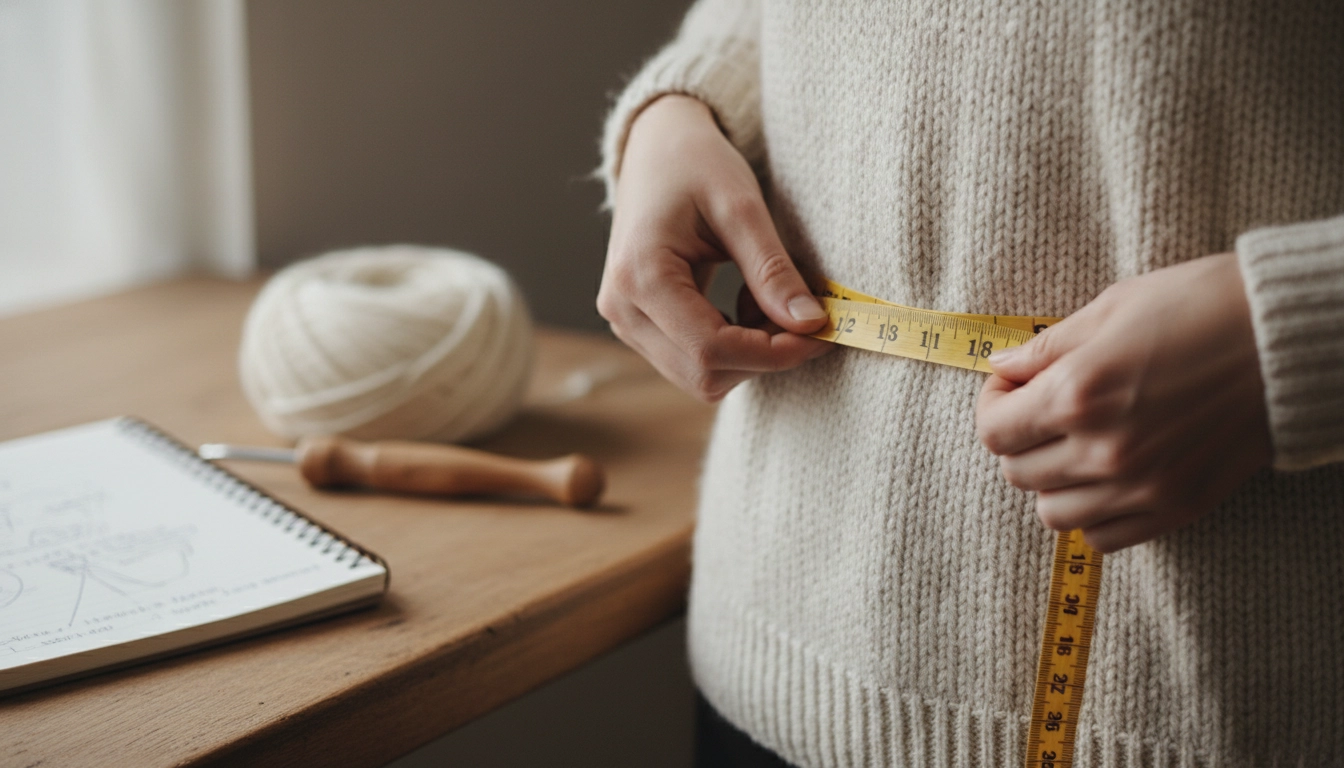
Accurate measurements of your waist and hips are essential for a secure, custom fit.
Grab a tape measure. First, your waist—measure exactly where you want that band to sit. Next, the hips. Find the widest part. Then, the rise, from your crotch up to that waistband. Finally, the inseam to your ankle.
Subtract two inches from your waist number for negative ease. If you skip this, your pants will fall down.
To make sure you do not end up with pants that slide down to your hips, here is exactly how to calculate your custom measurements.
| Measurement | How to Measure | Adjustment | Goal |
|---|---|---|---|
| Waist | Narrowest part of your torso | Subtract two inches | Secure waistband fit |
| Hips | Widest part of your seat | Keep actual measurement | Flattering drape |
| Rise | Crotch to waistband | Keep actual measurement | No sagging crotch |
| Inseam | Crotch to ankle bone | Keep actual measurement | Perfect length |
My Take
Do not skip subtracting those two inches from your waist measurement. Crochet fabric naturally stretches, and that negative ease is the only thing keeping your pants up.
Essential Materials and Tools Needed for This Pattern
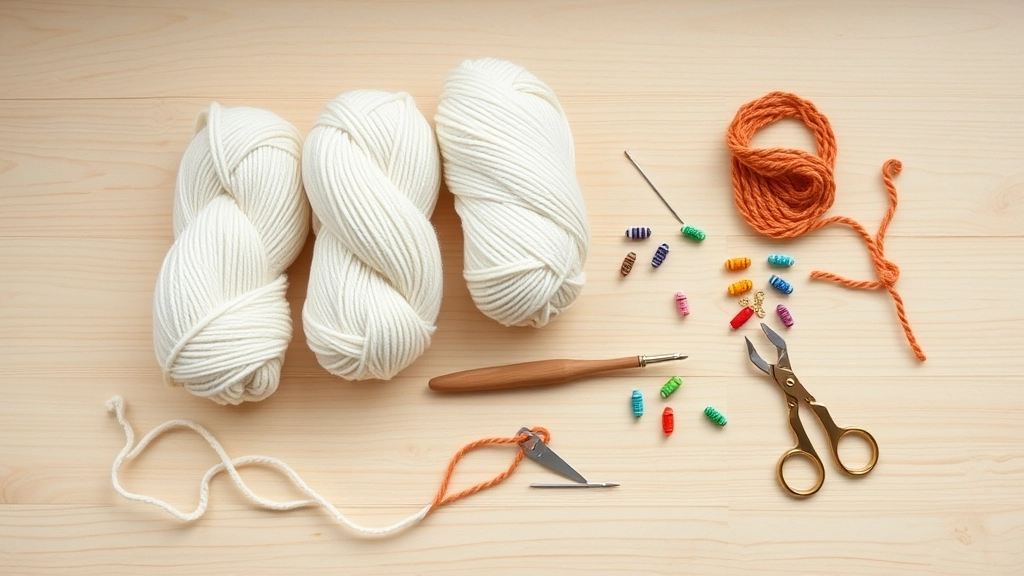
Gather your organic cotton yarn, hook, and markers before beginning your project.
Do not go cheap here. You need 400 grams of sport weight organic cotton and a 4.0 mm hook. Grab some stitch markers and a tapestry needle. This is an intermediate pattern. If you know how to increase, decrease, and work in a circle, you are fine.
Choosing the Best Yarn for Stretch and Comfort
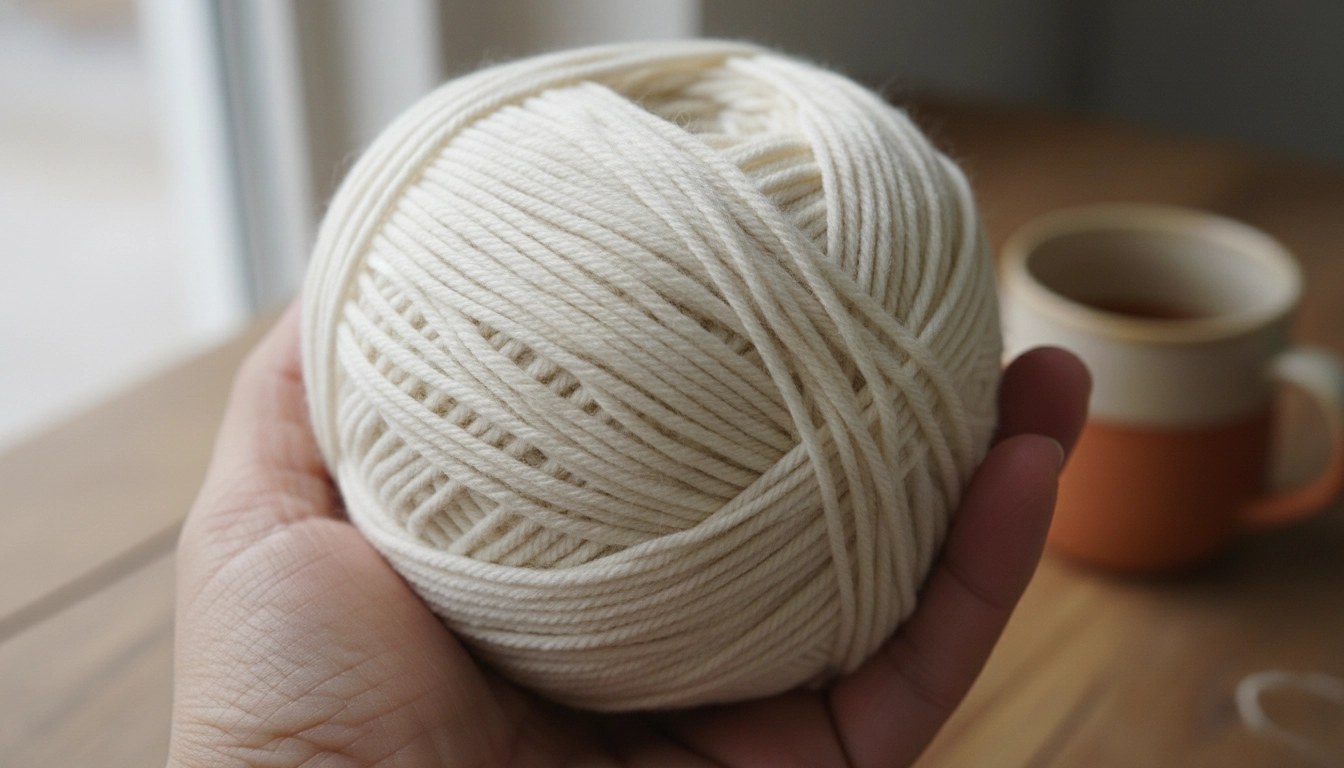
High-twist natural fibers provide the elasticity needed to maintain the shape of your crochet pants.
Put down the acrylic. Cheap synthetic yarn is basically plastic. It does not breathe, it makes you sweat, and it stretches out forever. It has zero memory. We want natural fibers like organic cotton or a nice wool blend. They hold their shape after washing and have an expensive-looking drape. If you enjoy working with natural fibers to create unique textures, you should also check out our Freeform Geode Crochet Pattern to see how tension creates organic, planetary topographies.
I did some testing on how different fibers hold up after a full day of walking around, and the data does not lie.
My Take
Merino and high-twist organic cotton are the clear winners here because they have natural memory. Acrylic will stretch out and stay stretched, leaving you with saggy knees by lunchtime.
Yarn Physics
Always opt for high-twist organic cotton or merino wool. The natural elasticity of these fibers prevents your pants from sagging at the knees.
Step-by-Step Pattern Instructions
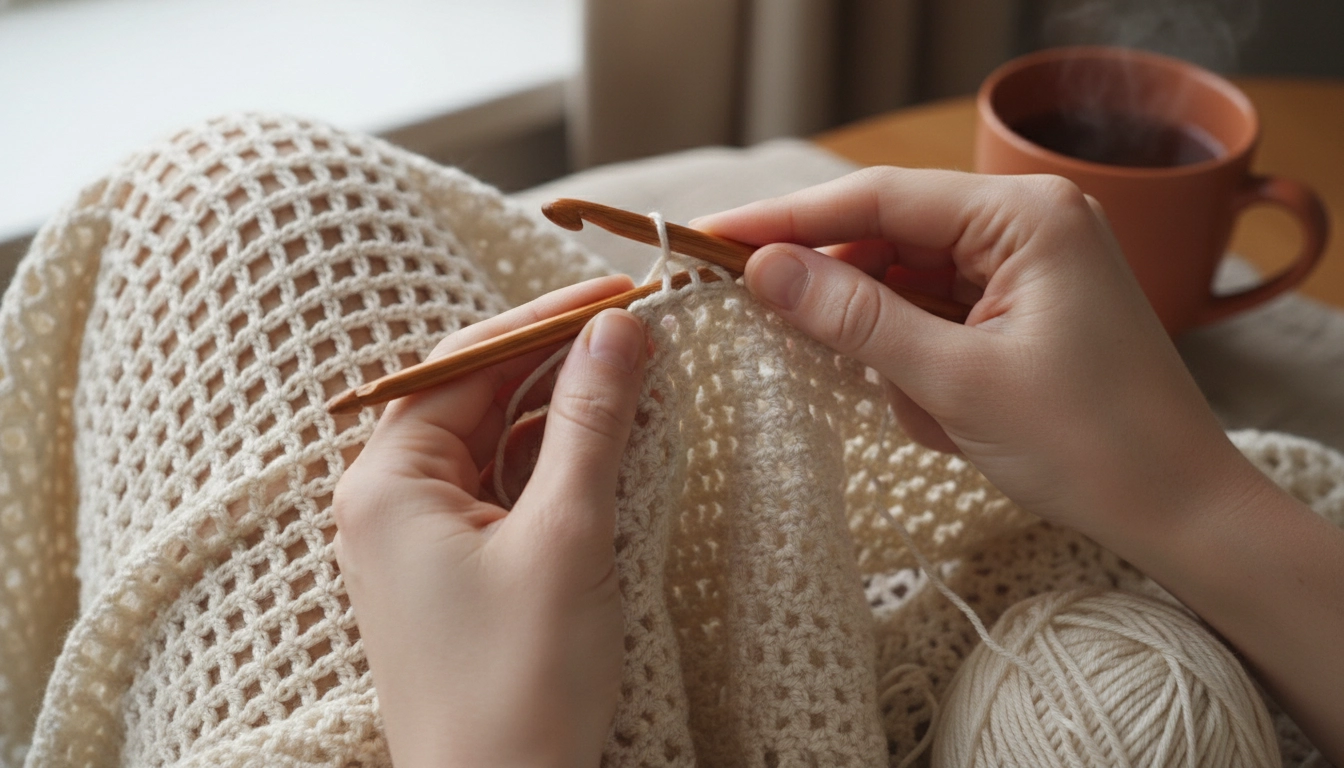
Watching the ribbed waistband transition into the leg division is incredibly satisfying.
Tips for Blocking Your Crochet Pants to Keep Their Shape
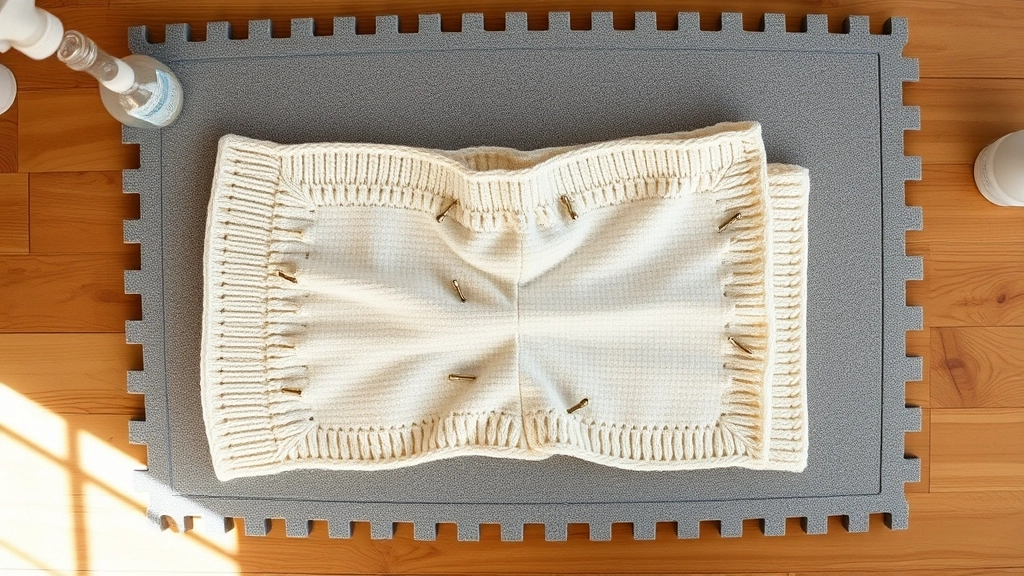
Always block your pants flat; hanging them wet will cause gravity to stretch them out of shape.
Do not skip blocking. Wet blocking is magic. It relaxes the fibers and lets the drape settle. Soak them in cool water. Gently press the water out with a towel—do not wring them. Lay them flat. If you hang them to dry, gravity will stretch the hips.
Blocking can feel like a chore, but it is the secret to making your handmade pants look like high-end boutique knitwear.
| Blocking Phase | Best Practice | Fatal Mistake |
|---|---|---|
| Washing | Soak in cool water with mild soap | Never use hot water or harsh agitation |
| Drying | Press out excess water with a clean towel | Never wring or twist the wet fabric |
| Shaping | Lay completely flat on blocking mats | Never hang them up to dry |
My Take
If you hang wet crochet pants, you are letting gravity destroy your hard work. Lay them flat, pin them to your exact measurements, and let them dry naturally.
How to Style Your Custom Handmade Pants
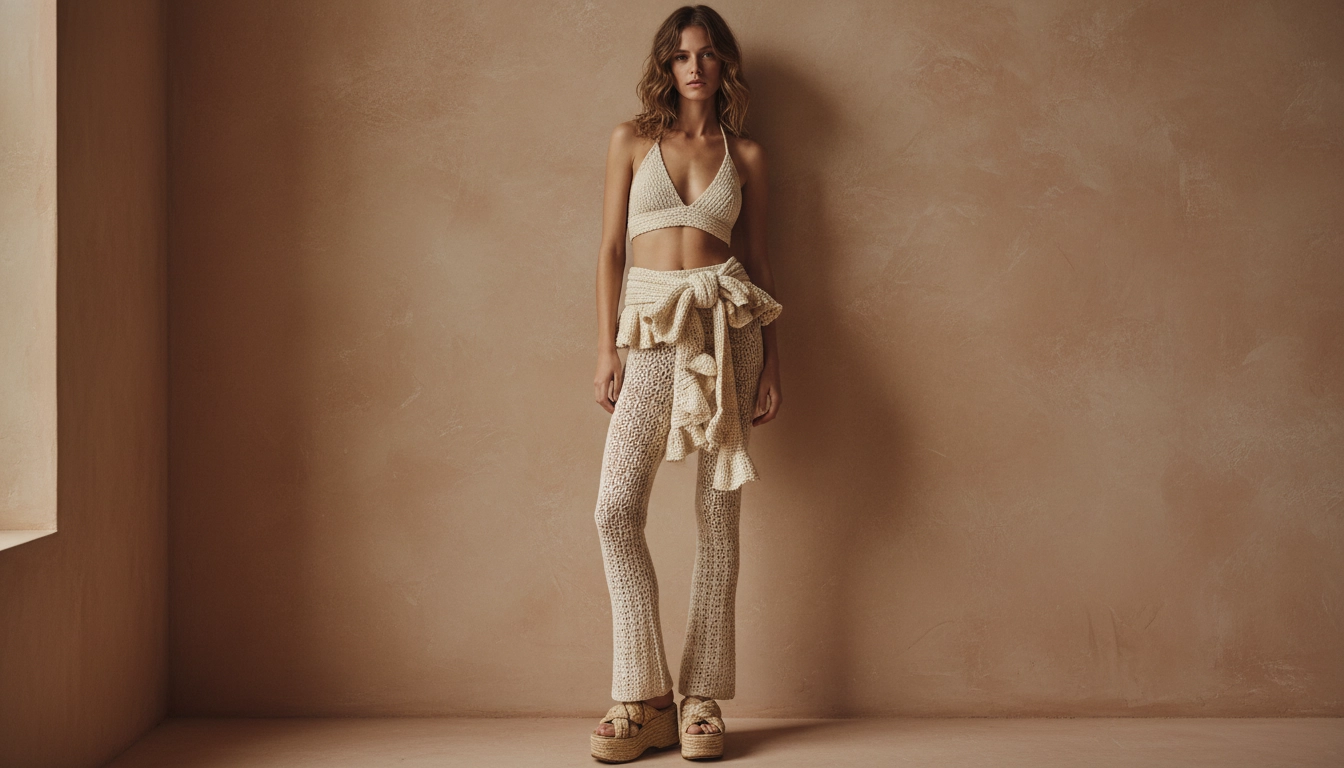
Pair your custom pants with a matching halter top and platform sandals for an editorial streetwear look.
Styling these is so fun. Pair them with a custom-fit top like our plus size bralette crochet pattern and wrap that dramatic ruffle sash tight around your waist for texture. For a bolder vibe, wear them over high-waisted briefs. This look is perfect for concerts, especially when paired with elements from our Freeform Geode Crochet Pattern Festival Outfit guide. Put on some chunky platform sandals. It is very editorial and effortless.
Conclusion
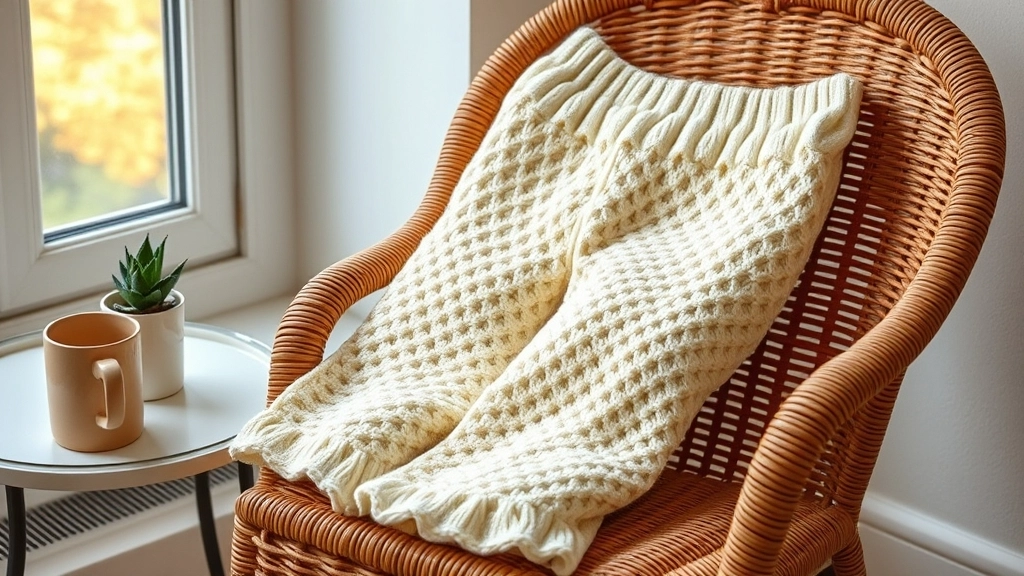
Your completed custom pants are a beautiful testament to slow fashion and perfect fit.
Making your own fitted crochet pants pattern is the ultimate slow-fashion flex. You are bypassing the trash fast-fashion system and making something that actually fits your exact body. Get your natural yarn. Trust the grid. It takes a second to get the hang of the math, but you will never go back.